
Full 25-point door and opener safety check with every visit - springs, cables, rollers, tracks, and your LiftMaster or Chamberlain opener included
You get a price before we start. It does not change when the truck arrives.
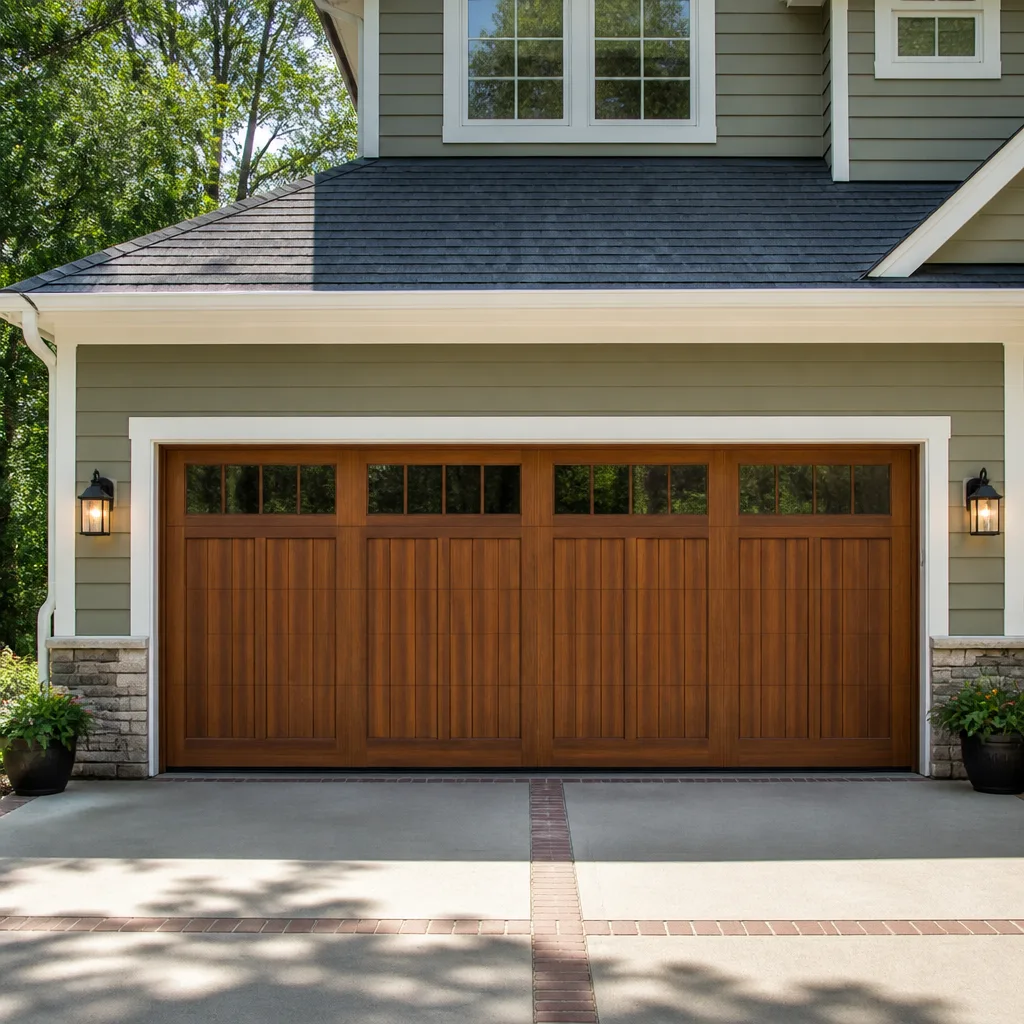
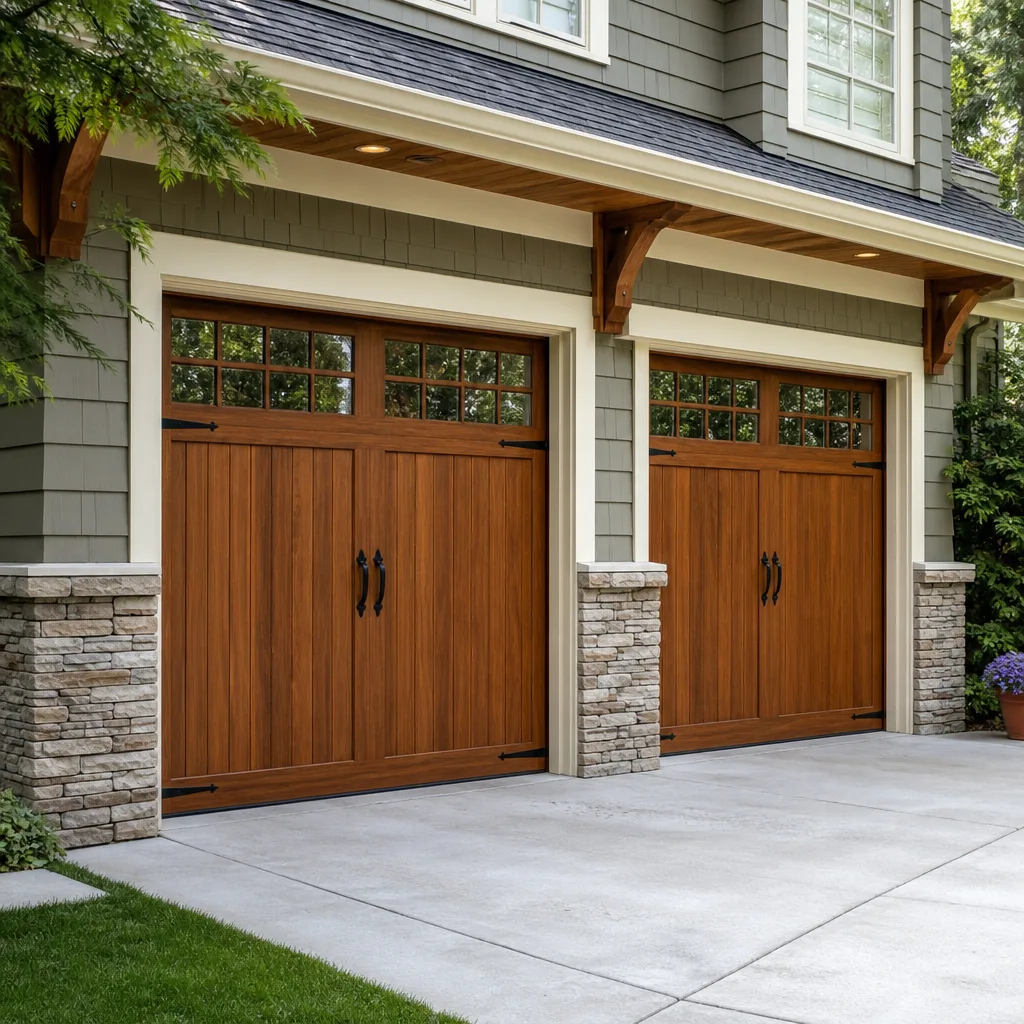
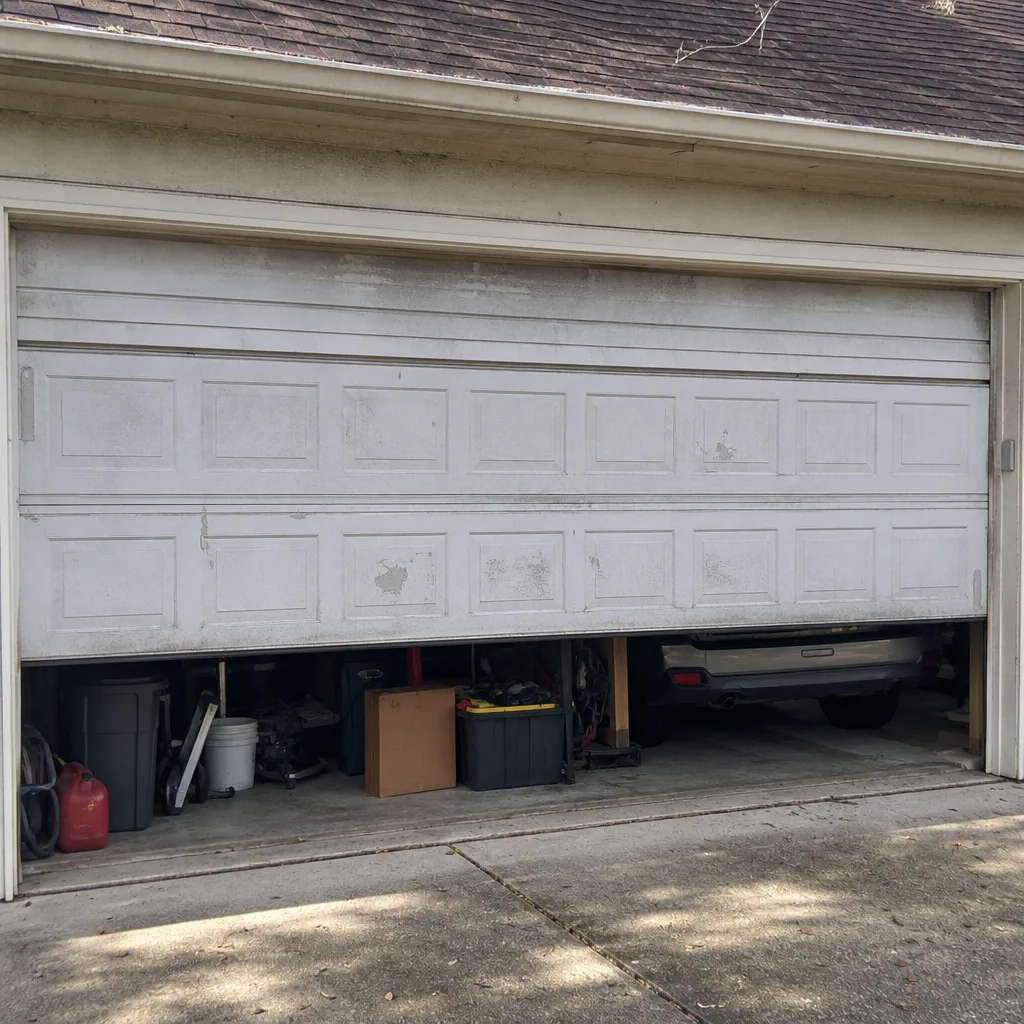 Before
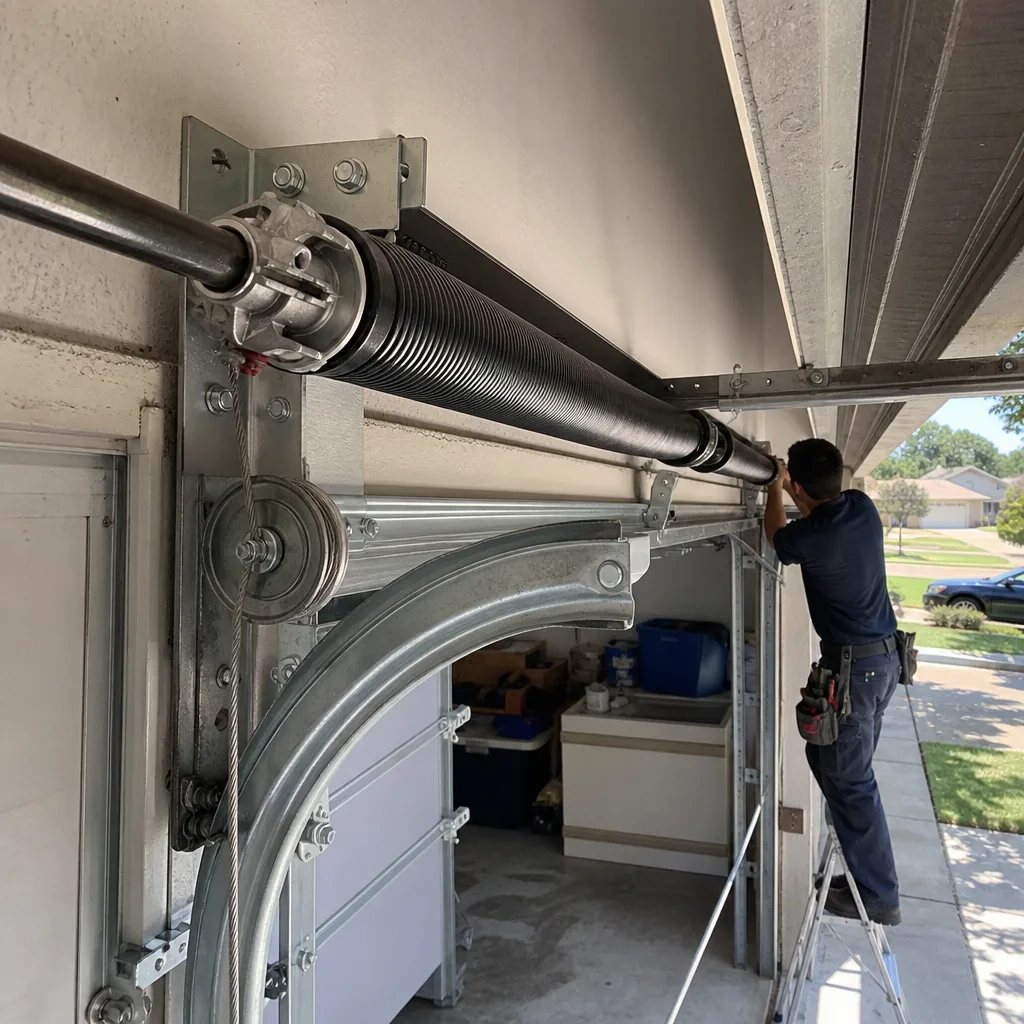 After
After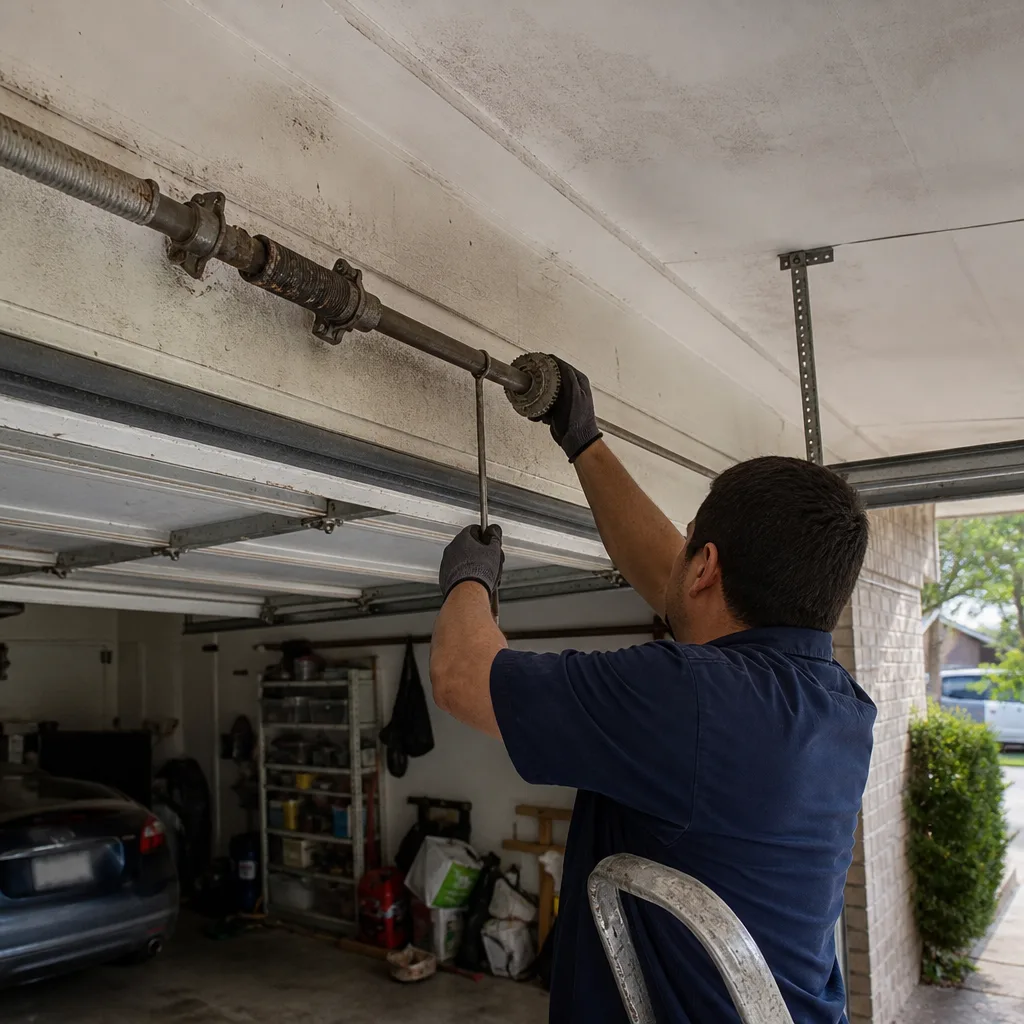 Before
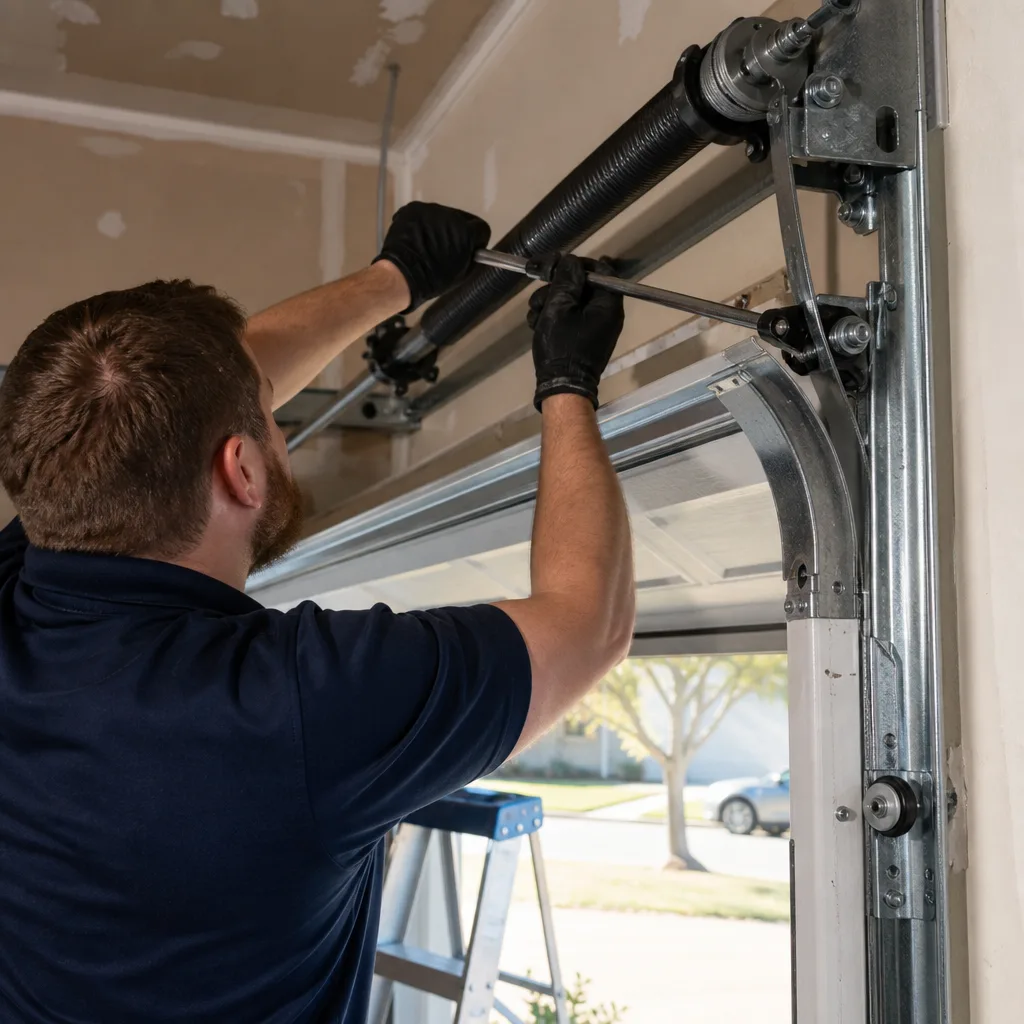 After
After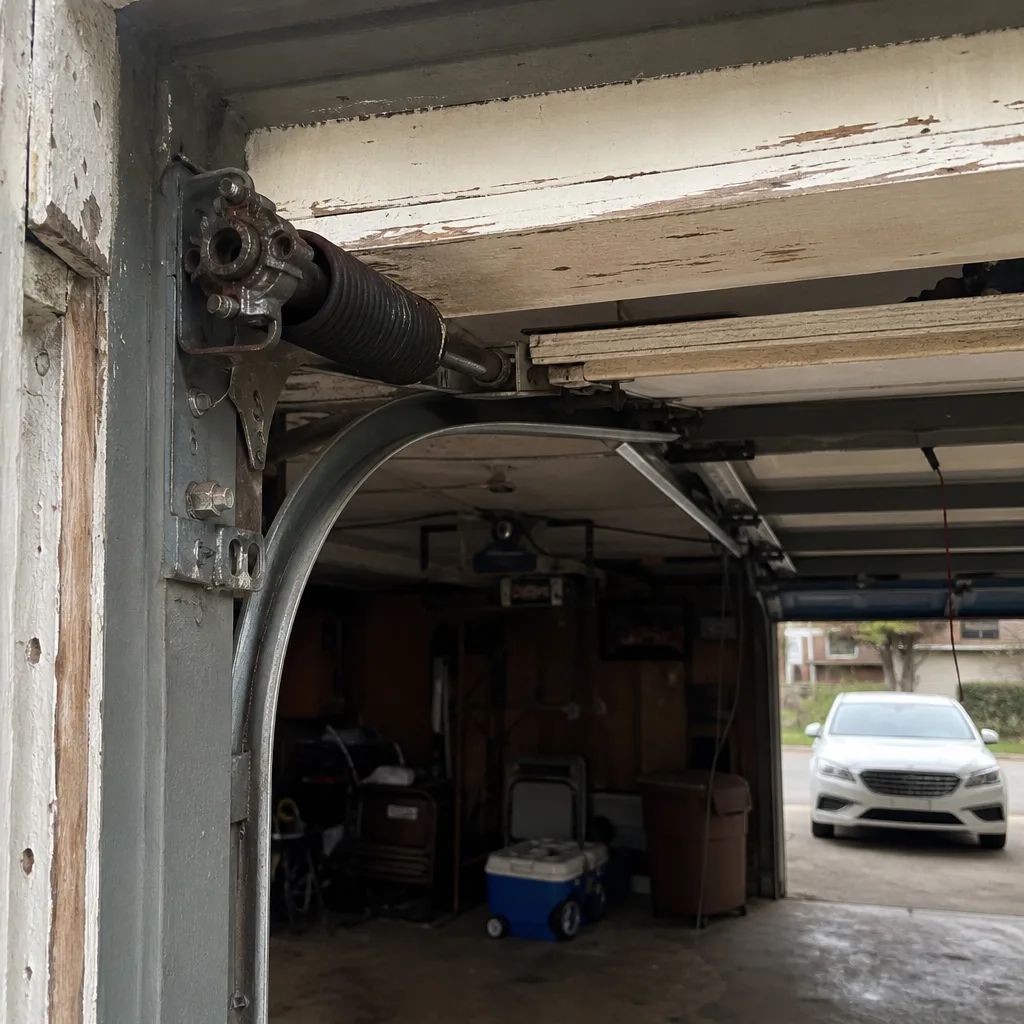 Before
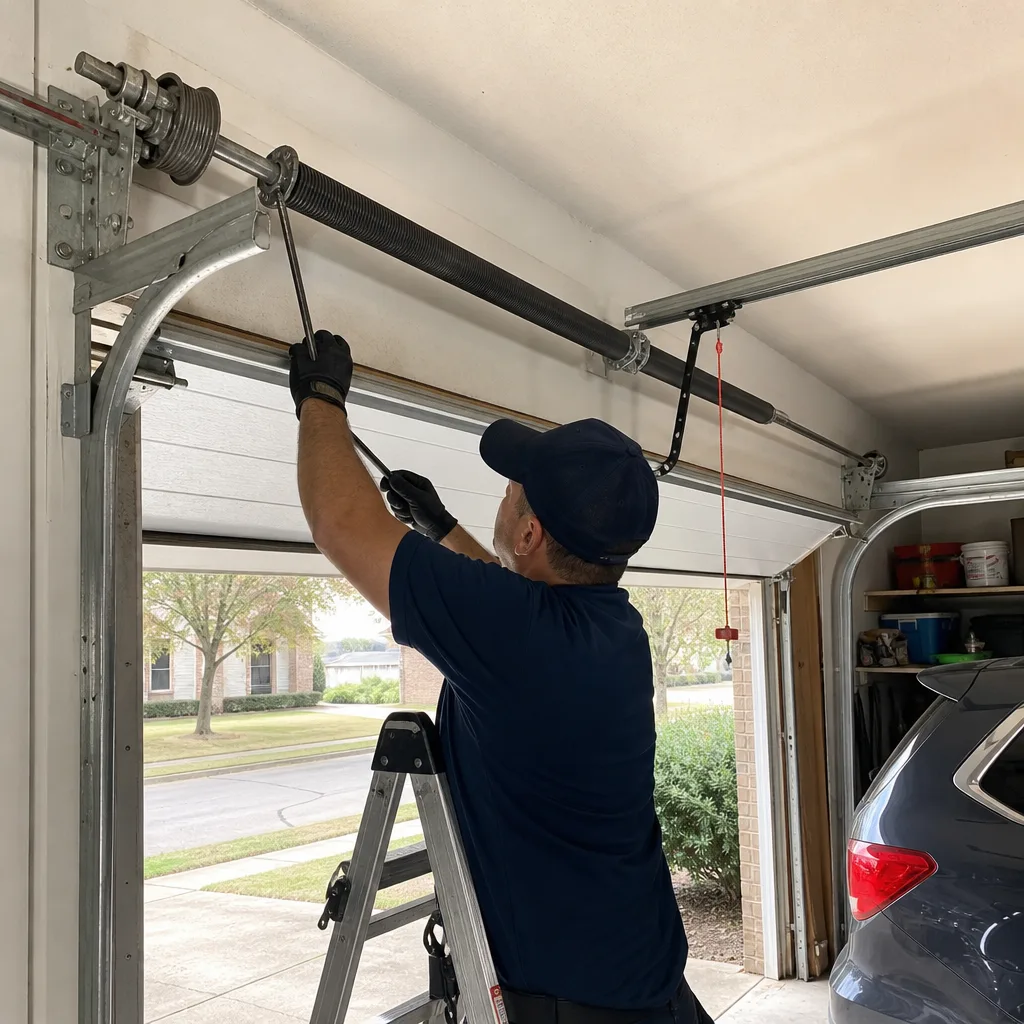 After
AfterLiftMaster Roller Replacement: The Keller Owner’s Guide
Replacing the rollers on a LiftMaster garage door in Keller typically runs $110 to $220 installed, and we carry the right rollers on the truck, so it’s usually a same-day fix. The first sign most owners notice is the door getting loud: grinding, squeaking, or a shudder as the door moves up the track. If you’re hearing metal-on-metal or seeing the door jerk side to side, the rollers are done and they’re taking the track with them.
Rollers wear out long before the opener does. The bearings inside seize, the wheel flattens, and then the door starts dragging instead of rolling. On a LiftMaster system, the opener is calibrated to lift a door that moves smoothly. When rollers go bad, the opener works harder, overheats, and shortens its own life. So this isn’t a cosmetic fix. It’s the part that protects everything else.
Which LiftMaster Models This Applies To
Every LiftMaster opener sold for residential use works with all major door brands, so the roller replacement is about the door’s rail system, not the opener’s model number. That said, we service LiftMaster openers across the board: the 8500W and 8500 wall-mount jackshaft line, the 8550W and 8587W belt drives, the 8360W chain drive, and older models still running strong in Keller homes built in the 1990s and early 2000s.
The roller itself is measured by two things: the wheel diameter (standard residential is 2-inch nylon for most setups, 1-inch for low-headroom or tight clearance tracks) and the stem length. LiftMaster doors with standard 2-inch tracks use a 4-inch stem roller on most hinges, though the top and bottom fixtures sometimes take a longer 7-inch stem. This is the compatibility gotcha: retail rollers are often sold in “universal” lengths that don’t actually fit the top and bottom brackets correctly, and the wrong stem length lets the roller walk out of the hinge. We match stems to each hinge position on the door, not just slap the same roller everywhere.
For LiftMaster specifically, we install OEM LiftMaster rollers or a quality aftermarket equivalent (from Chamberlain and Genie lines as well) depending on what’s in stock. The honest difference: OEM LiftMaster rollers carry a known bearing lifespan, and aftermarket nylon rollers with sealed bearings often outlast the originals for a few dollars less. We’ll show you both on the truck and quote the difference before anything gets installed.
Signs Your LiftMaster Roller Replacement Is Failing
- Loud grinding or metal-on-metal squeal. The bearing inside the roller is shot and the wheel is dragging instead of spinning. On a LiftMaster that used to run quiet, this is the number one call we get in Keller.
- Door shudders or jerks on the way up. A flat-spotted or seized roller forces the door to slide up the track in short catches. The opener senses the added resistance and strains against it.
- Visible wear on the roller wheel. Nylon rollers with flat sides, cracks, or a wobble you can see from the floor mean the wheel has lost its round shape. Once a roller goes flat, it stops rolling entirely and starts grinding the track.
- Door sits off-center or leans in the tracks. Worn rollers let the door drift. You’ll notice wider gaps on one side between the door edge and the track, or the door hanging slight crooked when half-open.
- Opener seems weak or trips the safety reverse. If the rollers are binding, the LiftMaster opener’s force sensor reads it as an obstruction and reverses the door. The opener isn’t the problem; the rollers are.
Replacement Cost & What’s Included
Installed roller replacement in Keller runs $110 to $220 for a full set on a standard two-car door. The range depends on the number of rollers (single-car doors have fewer, low-headroom setups sometimes take different sizes), the stem-length matching we covered above, and whether the hinges are still healthy. We replace the rollers themselves and check every hinge, bracket, and track section as part of the job.
The price is quoted before we start and it doesn’t change when we’re done. You’ll know the number before a single roller comes out of the box. We use nylon rollers with sealed bearings, which run quieter and hold up to Texas heat better than unsealed bearings, and the labor includes cleaning the track so the new rollers aren’t rolling through old grease and dirt from day one. Every roller replacement is covered by our 90-Day Done Right Promise: if it’s not right, one call brings us back, no charge and no argument. It’s written on the invoice.
DIY or Call Us?
What you can safely check yourself: shine a light on the rollers and look for flat spots, cracks, or a wheel that doesn’t spin freely when the door is closed. If the door is noisy only at one or two hinges, that tells you which rollers are failing.
Where DIY goes wrong: the bottom roller on each side is under spring tension, and the cable rides directly against that bottom fixture. If you unbolt the bottom bracket without securing the tension, that cable can whip loose and the door can drop. You’re also working under a 200-pound moving door. This is one repair where the part is cheap but the mistake is expensive, and we’ve seen more than one Keller homeowner call us after a YouTube attempt left them with a door hanging sideways and a bent track. Call (817) 241-0932 and we’ll have you rolling quietly today.
FAQs
Standard rollers last 7 to 10 years in North Texas. In Keller specifically, the summer heat breaks down the bearing grease and the dry winter makes old nylon brittle, so we usually tell owners to plan on replacement around the 8-year mark. Sealed-bearing nylon rollers push that to 10-plus years.
No. Once a roller’s bearing is seized or the wheel is worn flat, there’s no fixing it; the part is done and the only repair is replacement. Trying to oil a seized roller gives you maybe a week of quiet before it seizes again, and by then it’s been grinding the track. Replace the roller, save the track.
A full roller set on a standard residential door takes about an hour to an hour-and-a-half. We match stems, swap every roller, check the hinges, and run the door through a full open-close cycle before we leave. Most Keller roller jobs are handled in one trip.
Yes. We carry 2-inch nylon sealed-bearing rollers with multiple stem lengths plus OEM LiftMaster rollers, and we’ll show you the difference before we install. Call (817) 241-0932 for an exact quote; estimates are free and the number we give you on the phone is the number on the invoice.
Written by Otto Reinhardt, Owner, Otto’s Garage Door - Keller, TX at Otto’s Garage Door, serving Keller and nearby areas.