
Full 25-point door and opener safety check with every visit - springs, cables, rollers, tracks, and your LiftMaster or Chamberlain opener included
You get a price before we start. It does not change when the truck arrives.
 Before
 After
After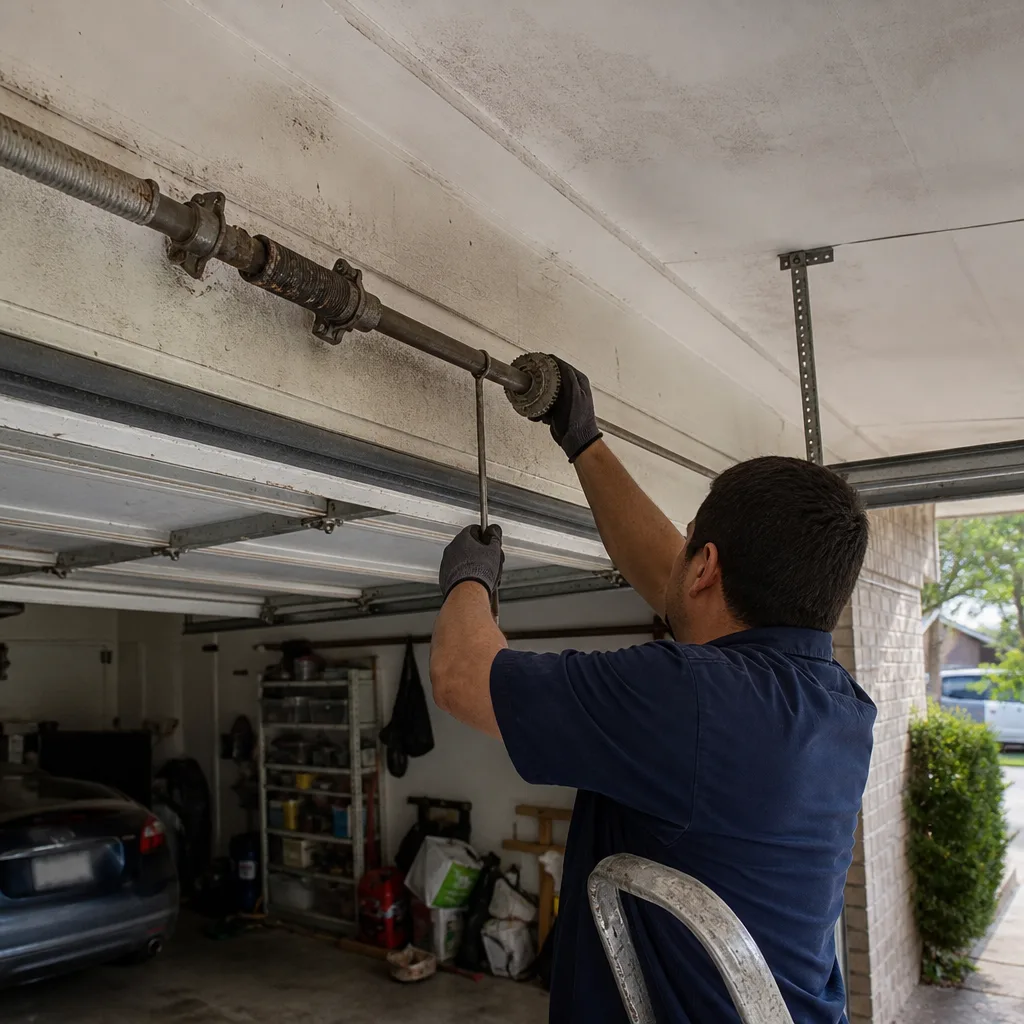 Before
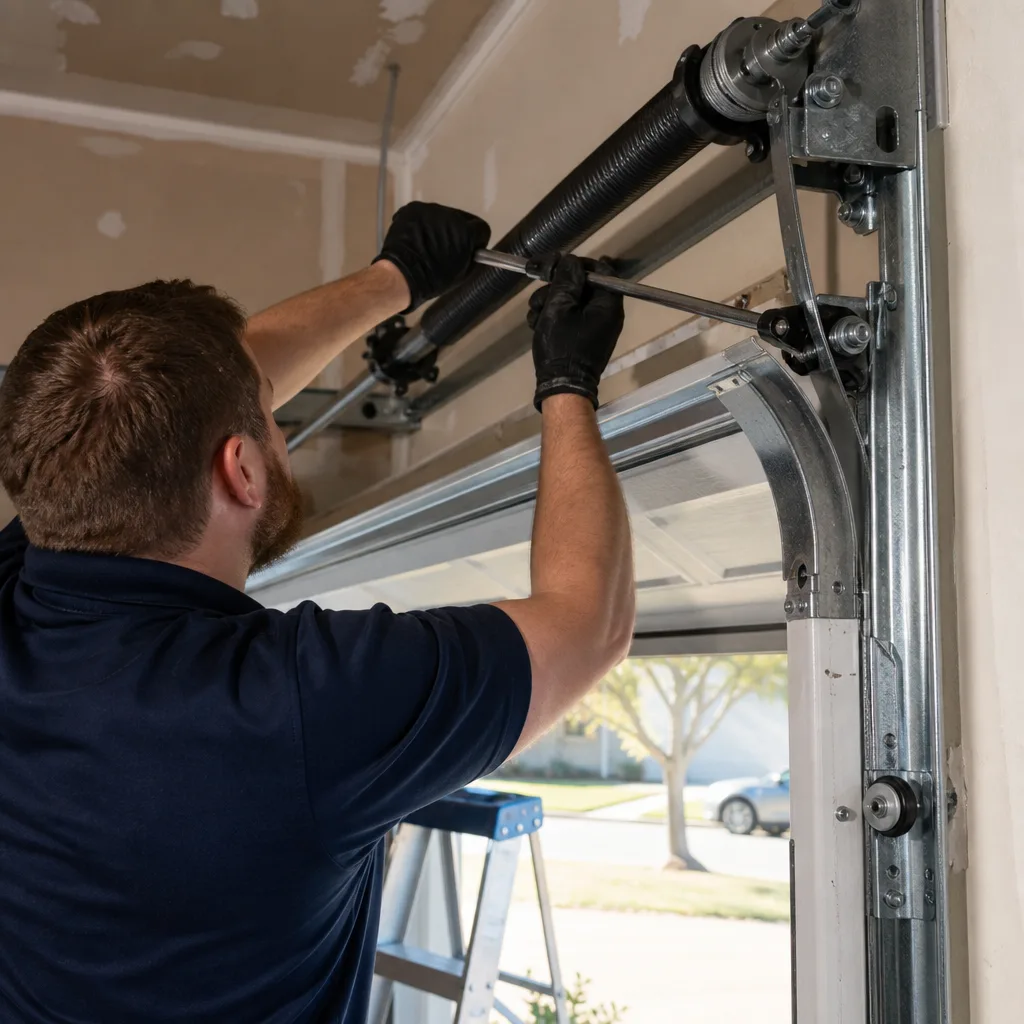 After
After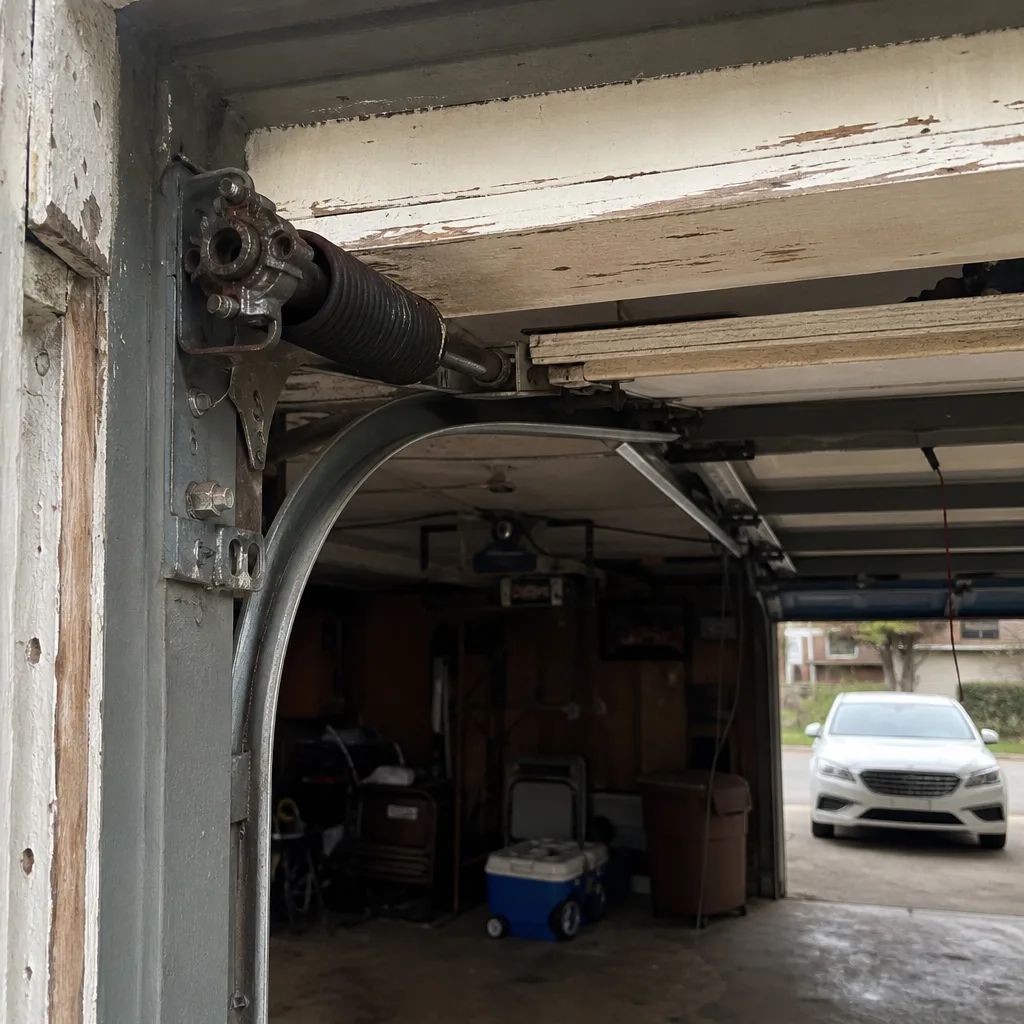 Before
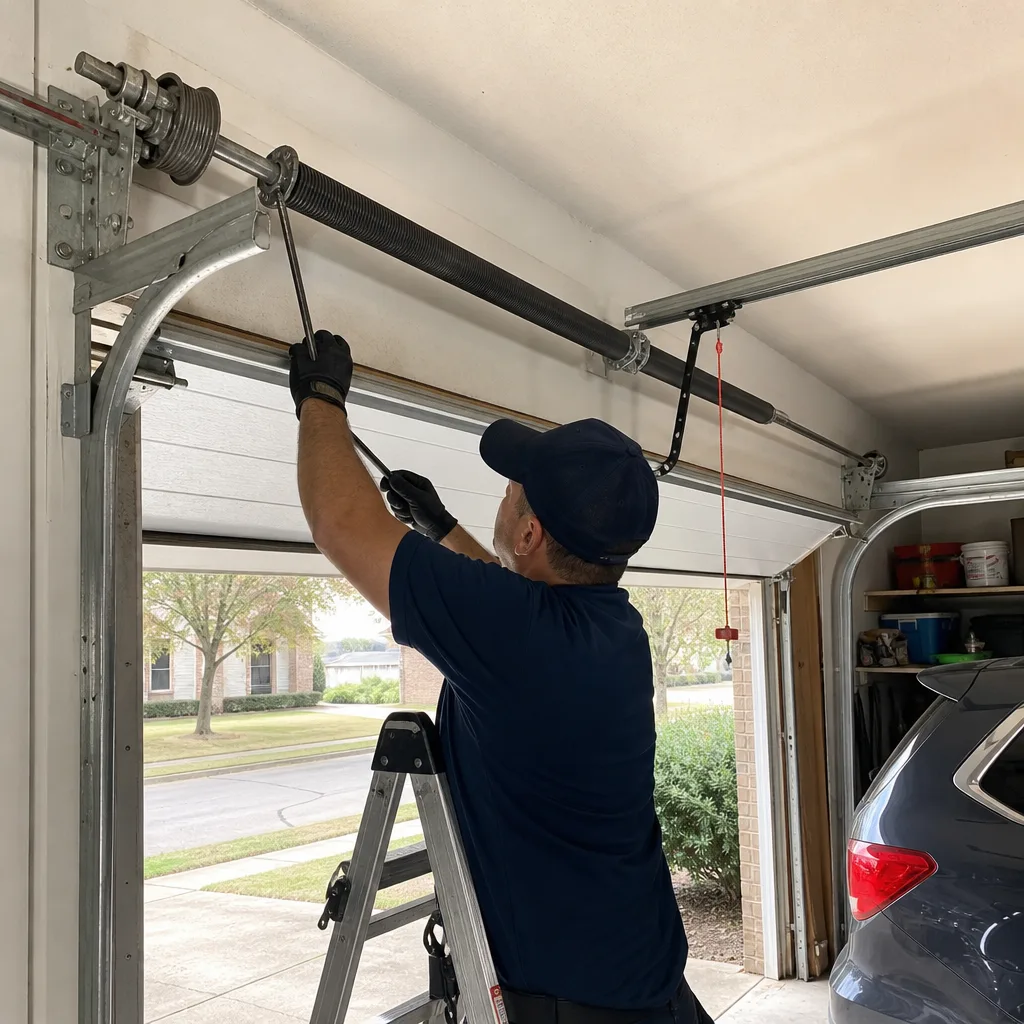 After
AfterRaynor Weather Seal Replacement: The Keller Owner’s Guide
Raynor weather seal replacement in Keller typically runs $90 to $180 installed, and we keep the common Raynor bottom seal profiles on the truck so most jobs are done same day. The bottom seal on a Raynor door is a T-style or bulb-style rubber strip that clips or slides into an aluminum retainer along the bottom edge. When it’s cracked, flattened, or pulling loose, you’ll feel the draft, see daylight under the door, and find leaves and water sneaking in after every Texas rain.
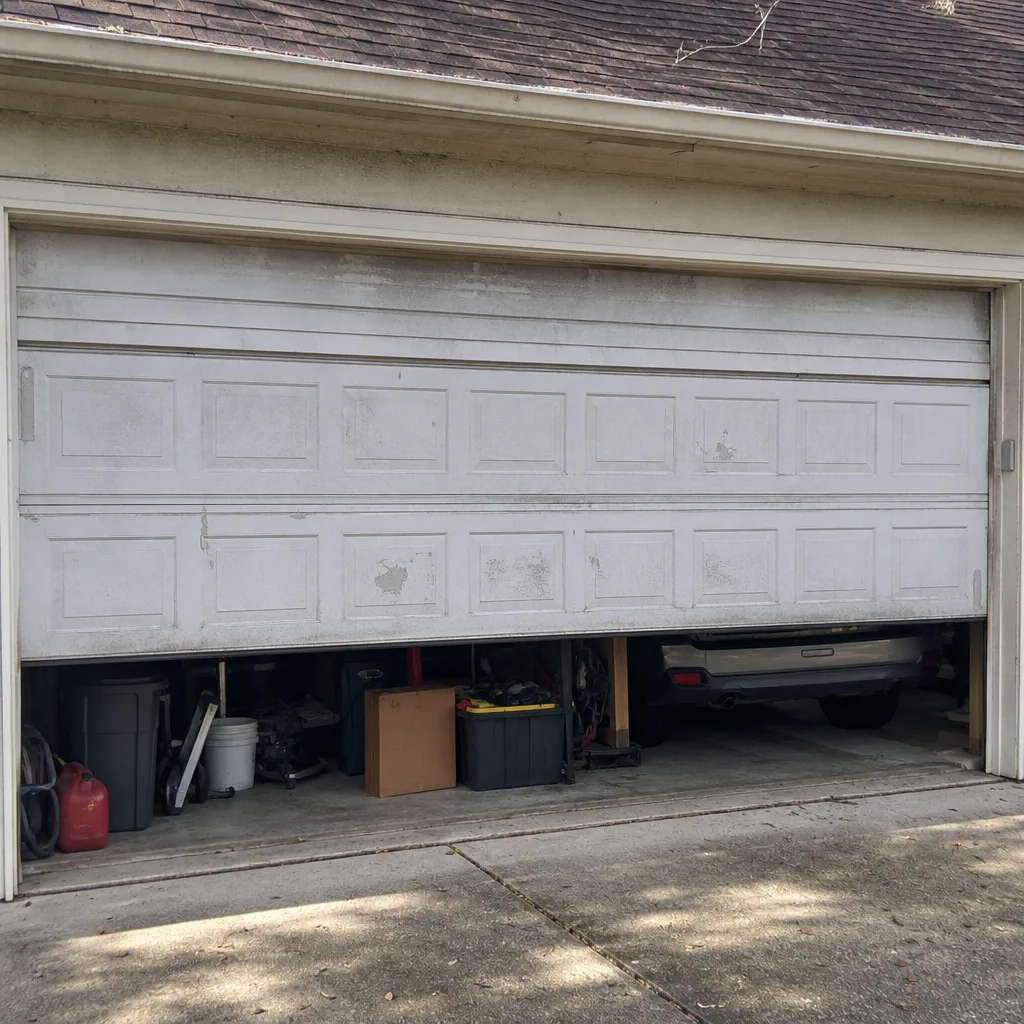
Here’s how it usually plays out. A Keller homeowner notices a strip of black rubber hanging off the bottom of the door, or they step into the garage after a storm and find a puddle along the back wall. Maybe the seal looks fine from across the room, but up close it’s brittle from ten summers of 100-degree heat and has pulled away from the corners. That’s the part doing exactly what rubber does in Texas: drying out, shrinking, and giving up long before the rest of the door.
We’re Otto’s Garage Door, locally owned and owner-operated since 2004. We service Raynor doors all over Keller, and we stock the replacement seals that actually fit them. We’re an independent shop, not affiliated with Raynor, but we know their doors the way a mechanic knows a certain make of truck. Call (817) 241-0932 and Otto will quote the job on the phone and hold that number when he gets there.
Which Raynor Models This Applies To
Raynor has used a handful of bottom seal designs across their residential lines, and the trick is matching the right one. The most common setups we see in Keller garages are the T-style seal (a T-shaped top edge that slides into a metal retainer) and the bulb-style seal (a round P-bulb or U-channel that tucks into a groove). Both are replaceable, but the bulb style in particular wears out faster in North Texas heat.
If you have the original paperwork, great. If not, look at the metal retainer along the bottom of the door. T-style seals slide out the end of a notched aluminum channel. Bulb seals press into a round or U-shaped track. You can also measure the width of the seal and the gap under the door. If the label on the door is gone, send us a couple of phone photos of the bottom edge and we’ll identify it before we roll up.
The broader compatibility is simple: Raynor Aspen, Legacy, FlexiCore, and Commander models all use replaceable bottom seals, and most residential Raynor doors take either a T-style seal (common on older steel doors) or a 4-inch bulb seal. OEM Raynor seals are fine, but we’ll tell you straight: the aftermarket rubber we use comes from the same U.S. extrusion houses and often lasts longer than the factory strip. We don’t upcharge for the Raynor name when the same vulcanized rubber goes by five different brands.
One thing worth knowing: the Raynor retainer itself is anodized aluminum and rarely needs replacing. If your seal is failing, it’s almost always just the rubber. We don’t sell a new retainer unless yours is bent or corroded, which is rare in Keller’s clay-rich soil unless the door has been dragging.
Signs Your Raynor Weather Seal Replacement Is Failing
- Daylight under the door. Stand inside with the door closed at noon. If you see light along the bottom edge from corner to corner, the seal has compressed past its useful life. That gap lets in drafts, dust, and every critter small enough to squeeze through.
- The seal is brittle or cracking. Pinch the rubber. If it feels hard and shows hairline cracks, UV exposure has baked the elastomer. A seal that shatters when it flexes in January is past saving.
- Water staining on the floor or wall. Keller’s spring storms can dump a couple inches in an hour. If the back wall of the garage stays damp after a heavy rain, the door seal is likely channeling water instead of blocking it.
- The seal is pulled away from the ends. Rubber shrinks as it ages, and the first place it gives up is the corners. If the ends look shorter than the door width or have popped out of the retainer, it’s time for a new strip.
- You feel a draft at ankle level. Even without visible damage, a compressed seal loses its rebound. If cold air rolls across your ankles in December, the rubber has set flat and won’t recover.
One symptom to be suspicious of: if the seal looks pinched or torn in a single spot rather than worn evenly, the door may be hitting something on the way down, or the springs are losing tension and letting the door come down heavy on one side. In that case, the seal is a symptom, not the problem. We’ll tell you before replacing it.
Replacement Cost & What’s Included
Raynor weather seal replacement in Keller runs $90 to $180 installed. The range depends on two things: the seal profile your door uses and whether we’re replacing just the rubber or the rubber plus a worn retainer. A basic T-style rubber strip on a standard 9-foot-wide door sits at the low end. A bulb seal on a 16-foot door with a corroded retainer that needs swapping sits at the high end.
Here’s the honest breakdown:
- Seal material: $25 to $60, depending on profile and width. The rubber itself is cheap. What you’re paying for is the right product and a clean install.
- Labor: typically 30 to 45 minutes. We remove the old strip, clean the retainer channel, cut the new seal to exact length, and seat it so it lies flat against the floor with no gaps at the corners.
- Retainer replacement (if needed): adds $30 to $50 on top, but we only quote it if yours is actually damaged.
Every job comes with the 90-Day Done Right Promise in writing. If the seal isn’t seated right, we come back and fix it, no runaround. The price quoted on the phone is the price on the invoice. Full stop.
DIY or Call Us?
Weather seal replacement is one of the few garage door jobs a careful homeowner can usually pull off, but it’s also easy to get wrong in ways that don’t show up for a week or two. If you buy the wrong profile, it won’t seat. If you cut it a quarter inch short, you’re back to drafts at the corners. If the retainer is bent and you don’t notice, the new seal rides uneven and wears out in a season.
The parts of this job that are genuinely dangerous are the heavy steel sections and the torsion springs overhead, neither of which you need to touch to swap a bottom seal. What we’d caution is this: if the seal is torn in one spot only, or if you hear the door slamming down harder than it used to, have someone look at the spring balance before you replace the rubber. A door that’s 200 pounds riding on two tired springs will eat a new seal in six months.
If you’d rather have it done right the first time, call (817) 241-0932. We’ll show up, match the seal to your Raynor door, and be gone in under an hour. Tell me what it’s doing and I’ll tell you what it needs, no guessing, no upsell.
FAQs
In North Texas, you’re likely to get 5 to 8 years from a quality rubber seal before UV exposure and summer heat flatten it. Doors that face west or get full afternoon sun trend shorter; north-facing doors can stretch past 8. Call (817) 241-0932 and we can tell you in minutes what shape yours is in.
No. Rubber seals don’t patch well; any splice is a weak point that will pull apart. Replacing the full strip is the only honest fix, and done right it’s a 45-minute job. We carry the common Raynor profiles on the truck, so one visit usually handles it.
Fifteen to 45 minutes for a standard residential Raynor door, depending on access and how much the old seal fights back. It’s one of the quickest jobs we do, and we don’t charge a trip fee inside the county.
We stock the seal profiles that fit the large majority of Raynor residential doors, T-style and 4-inch bulb both. On the rare occasion we don’t have the exact strip on the truck, it’s one day out. We also stock solid aftermarket equivalents that often outlast the OEM rubber, and we’ll show you the difference before we install anything.
Written by Otto Reinhardt, Owner, Otto’s Garage Door - Keller, TX at Otto’s Garage Door, serving Keller and nearby areas.