
Last updated September 10, 2026
Full 25-point door and opener safety check with every visit - springs, cables, rollers, tracks, and your LiftMaster or Chamberlain opener included
You get a price before we start. It does not change when the truck arrives.
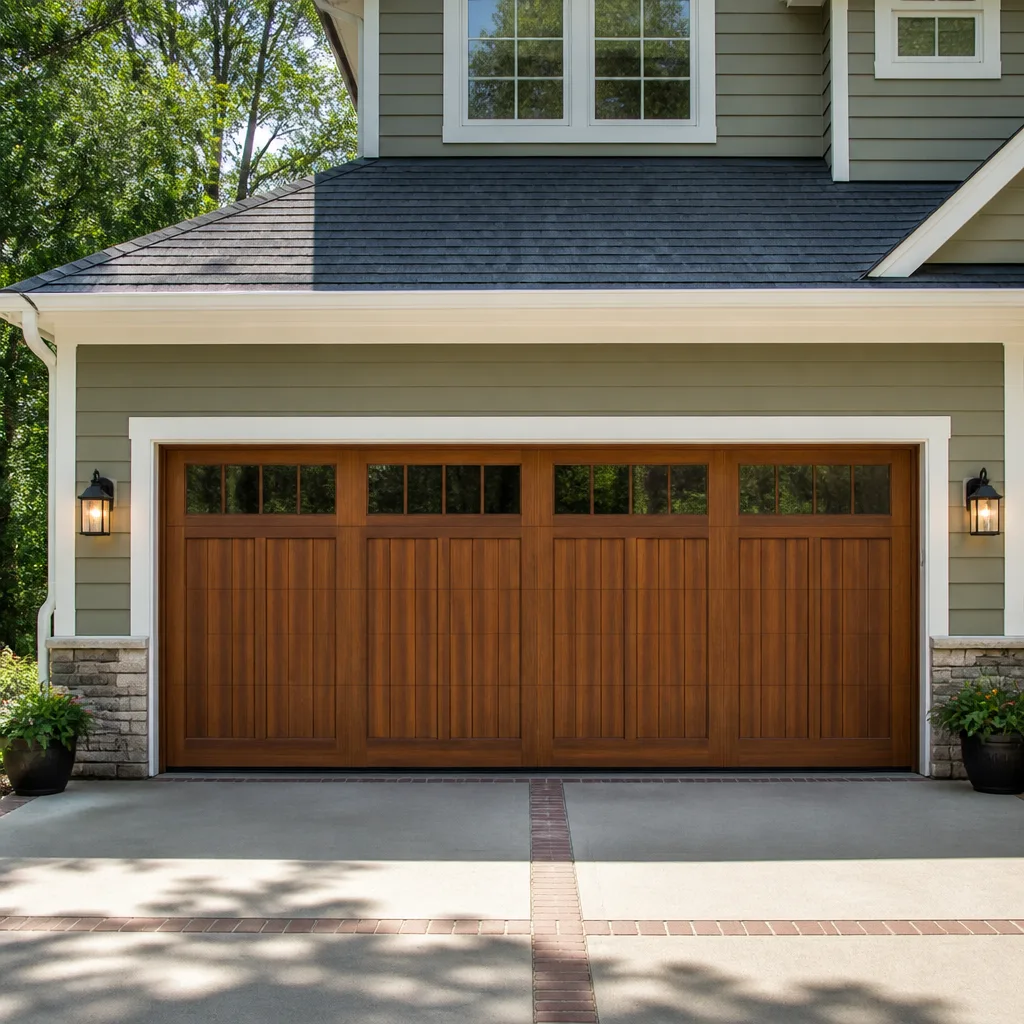
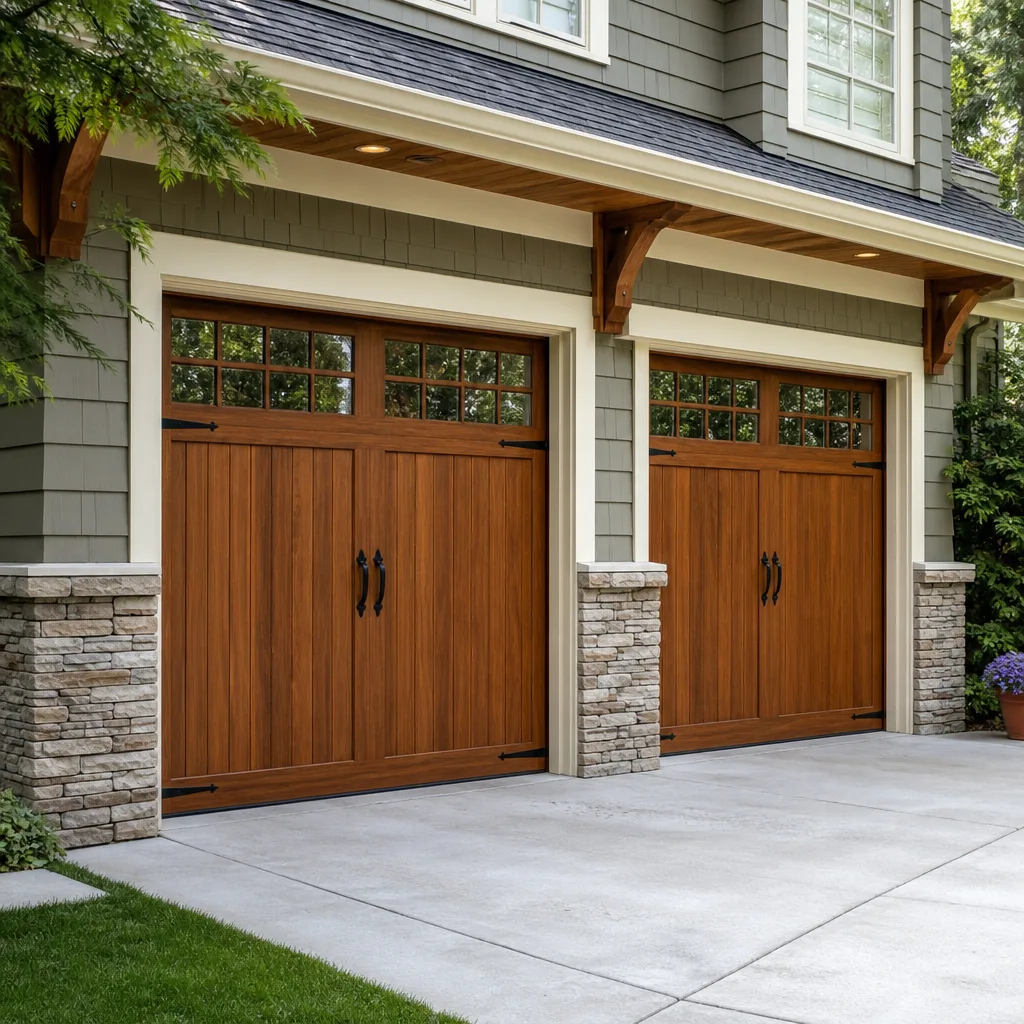
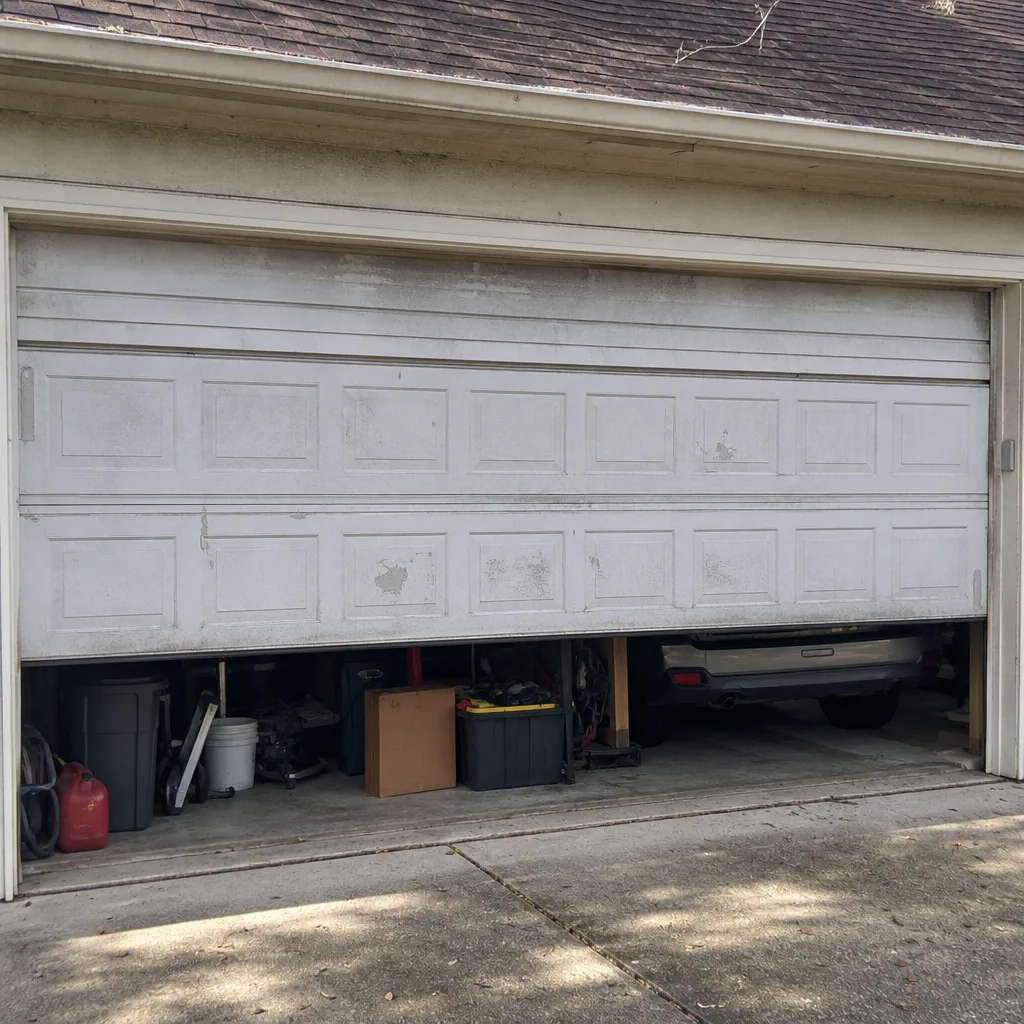 Before
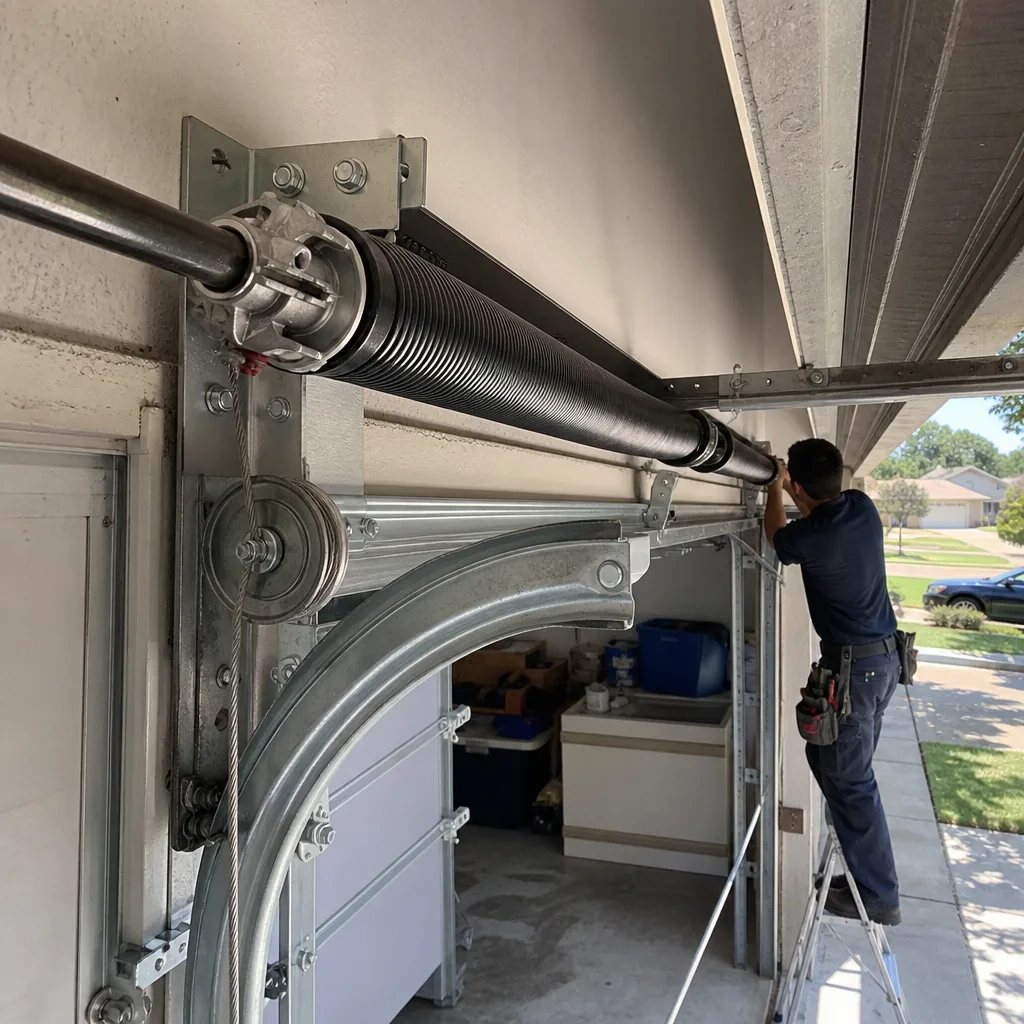 After
After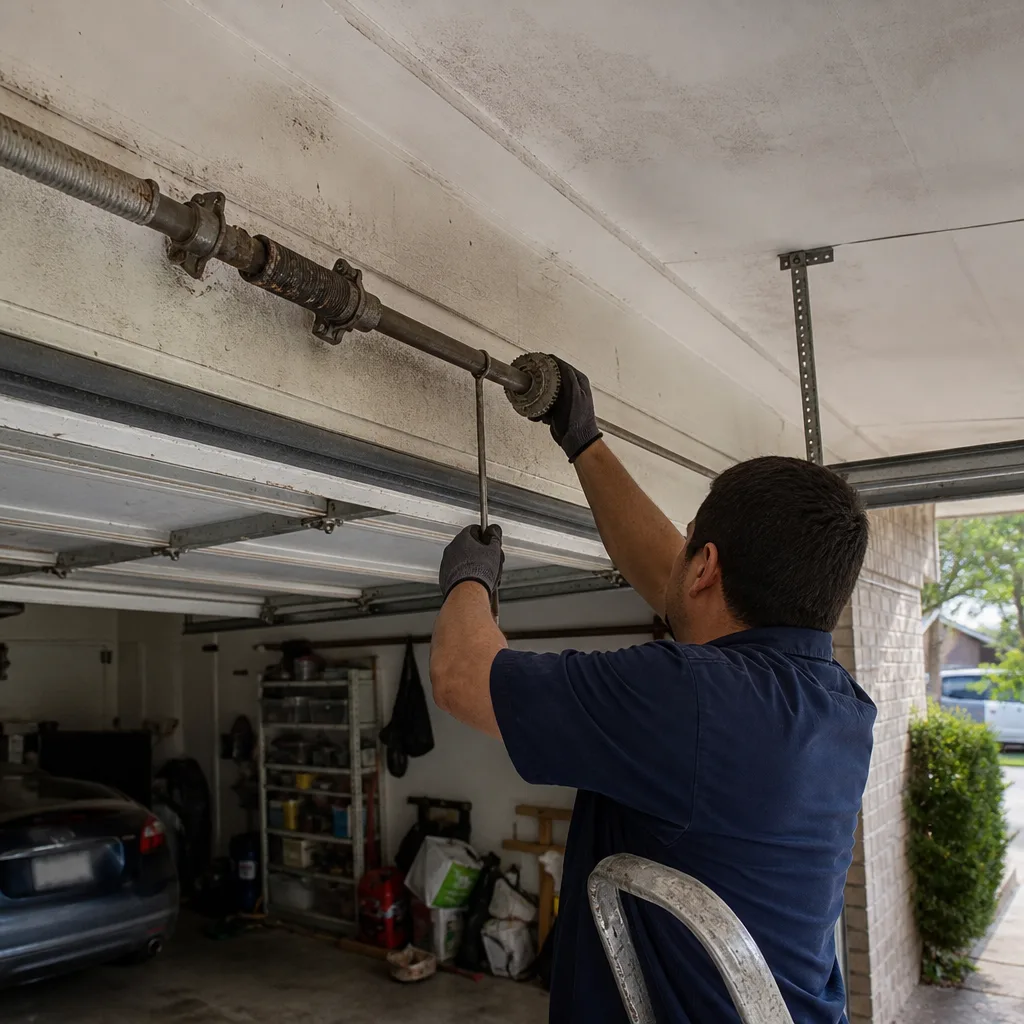 Before
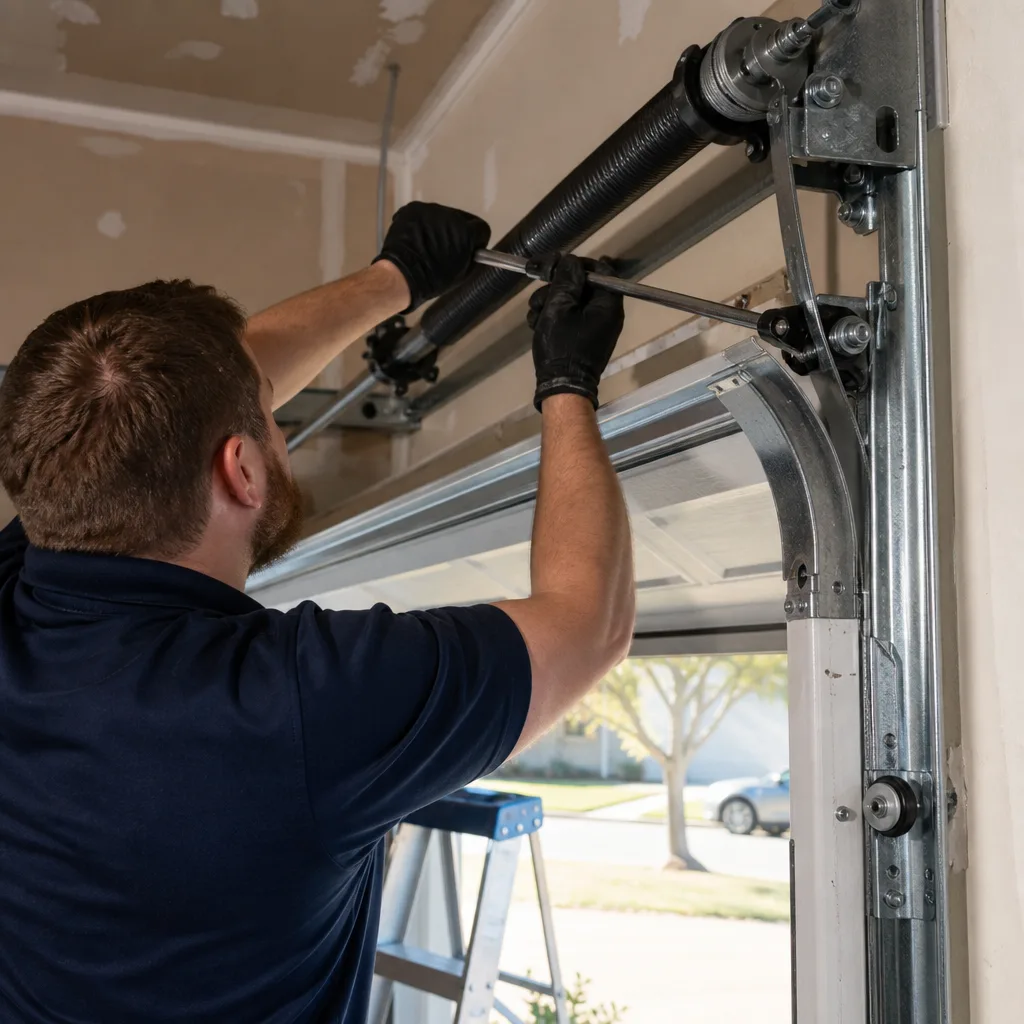 After
After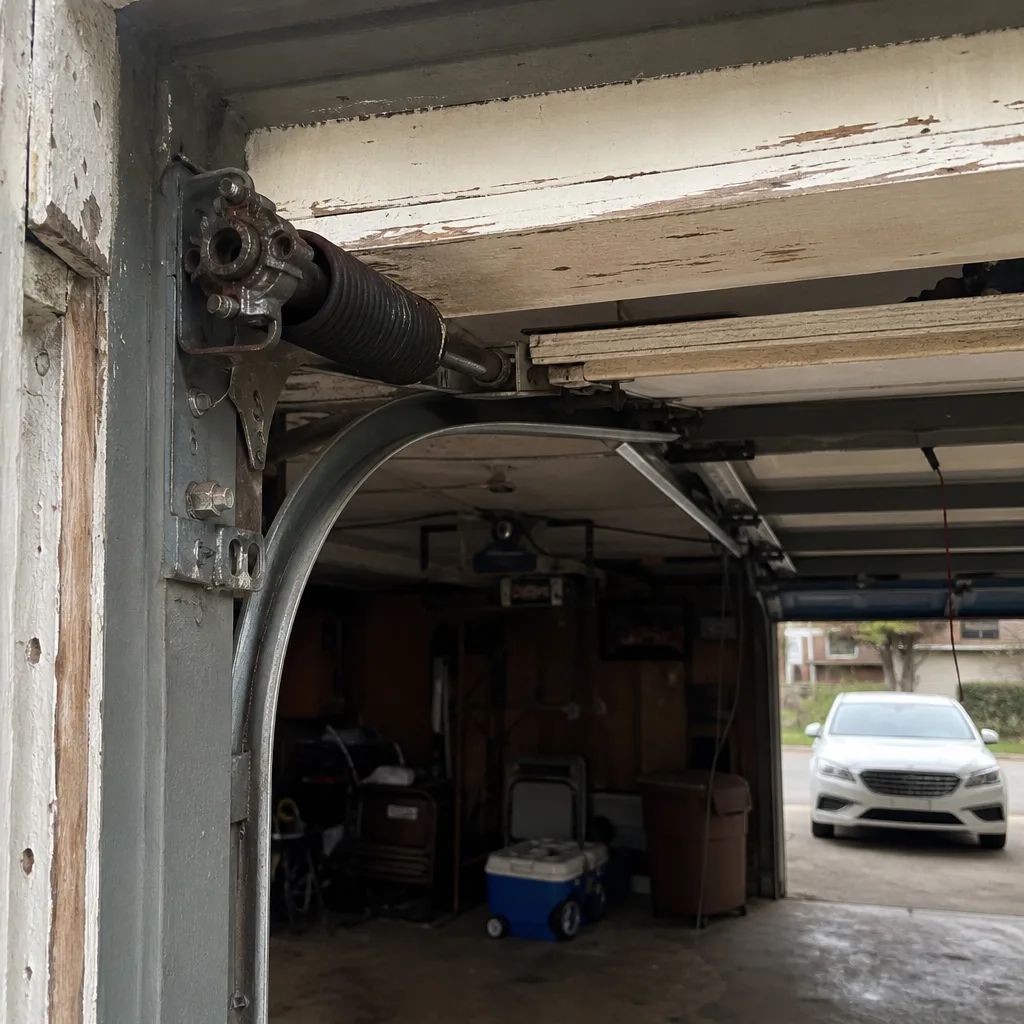 Before
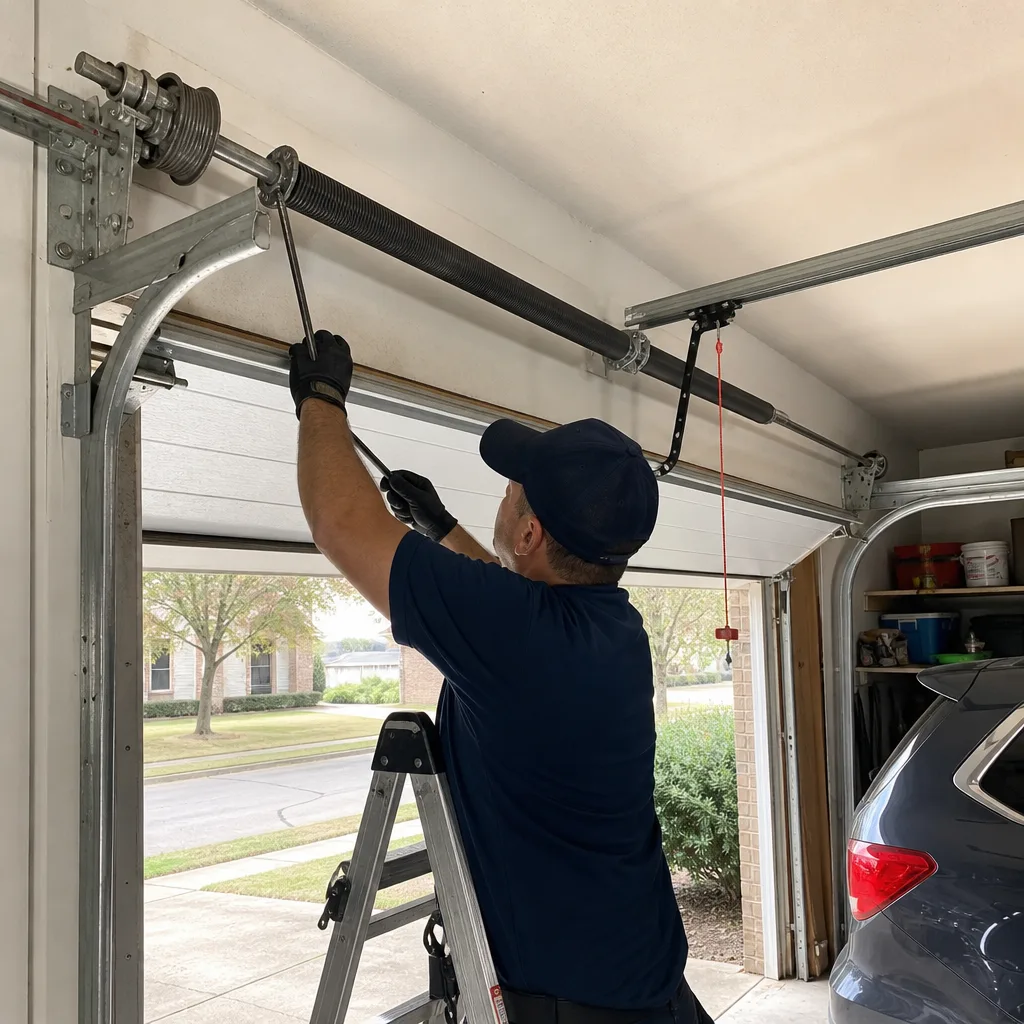 After
AfterSeasonal Garage Door Care for Keller: Year-Round Homeowner’s Guide
Every January after a Keller ice event, Otto’s phone rings with the same call: “My door won’t go up.” It’s almost always the same cause - a roller frozen in a bracket that cracked when the temperature swung 40 degrees in 18 hours. That’s a $0 fix if you know about it in December and a $200 service call if you don’t. This guide - along with The Complete Guide to Garage Door in Keller - walks through what actually breaks on garage doors in Keller, season by season, and what you can do in twenty minutes a month to avoid most of it.
Quick Answer
Seasonal garage door care in Keller, TX means adjusting your maintenance to the local weather calendar: check panel dents after spring hail, watch for heat-drift in August, do a twenty-minute pre-winter checklist in October, and never force a frozen door in January. One monthly balance test catches most problems before they become a $300 repair. Most of this is doable with basic tools and zero experience, but anything involving torsion springs belongs to a trained professional - see our DIY vs Professional Garage Door: The Keller Homeowner’s Decision Guide to know where the line sits.
Table of Contents
- Spring (March-May): Hail, Humidity, and the Dent Map
- Summer (June-September): Heat Drift and the “Heavy Door” Illusion
- Fall (October-November): The Pre-Winter 20-Minute Checklist
- Winter (December-February): Ice, Frozen Rollers, and What Not to Force
- The One Year-Round Task: Monthly Balance Test
- Hardware That Matters: What Actually Wears Out in Keller
- Opener Care: When the Motor Is the Victim, Not the Culprit
- Common Mistakes to Avoid
- When to Call a Professional
- Frequently Asked Questions
Spring (March-May): Hail, Humidity, and the Dent Map
Keller sits in the heart of North Texas hail country. From March through May, storms roll through with stones big enough to dimple car hoods and garage door panels. Most homeowners check their roof and call it done. Your garage door takes the same beating, and a small dent is never just a small dent.
Here is what we see every spring at Garage Door Repair in Keller: a homeowner gets a half-inch dent in an aluminum panel and ignores it because the door still works. Two years later, that dent has become a rust bloom because the impact cracked the factory paint and exposed bare metal. In North Texas humidity, bare aluminum starts oxidizing fast, and once rust finds a seam in a sectional panel, it travels along the rail between panels. The repair bill doubles or triples because now you’re replacing panels instead of touching up paint.
March and April are also when the wind-driven rain shows you every gap in your weatherstripping. Run your hand along the bottom seal and the side jamb seals after the first hard spring storm. If the concrete floor shows a water line inside the door line, the bottom seal is gone or compressed. A new bottom seal costs under $40 and takes an hour to install. A water-saturated bottom panel eventually delaminates, especially on steel doors without a rust-proof undercoat.
The hail-specific spring checklist we recommend to every Keller homeowner:
- After any hail event, walk the door in daylight. Look for dents, cracked paint, or split panel edges, especially on the south and west facing surfaces that take the direct hit.
- Photograph what you find and write the date on the photo. Insurance claims go smoother with dated documentation, and you’ll have a baseline for tracking whether a dent is changing.
- Touch up any bare metal with automotive primer within two weeks. It doesn’t need to be pretty. It needs to seal the metal from humid air.
- Check the top panel for hidden impact damage. Hail bounces, and the panel nearest the header often takes indirect hits you won’t see from the driveway.
- Test the door balance (see the monthly section below) and listen for new grinding or clicking. Hail impact can knock roller hinges slightly out of alignment, and a misaligned door wears rollers and cables faster.
Spring is also when snakes and insects look for shelter, and your garage is a good candidate on both counts. Keeping the weatherseal tight around all four sides does double duty: it keeps the rain out and the Eastern Yellow Jackets and wolf spiders out of your garage workshop. We don’t do pest control, but we do install seals that deny them the front door.
Summer (June-September): Heat Drift and the “Heavy Door” Illusion
From June through September, Keller regularly sees 100°F afternoons and garage interiors that hit 120°F or higher. That sustained heat does two things to your garage door system: it expands the metal slightly, and it changes the effective rate of your torsion springs.
Here is what most guides get wrong. They’ll tell you heat makes metal “soft” or “sticky.” It doesn’t. What actually happens is more subtle and it explains why so many Keller homeowners call us in August saying their door “feels heavy” or “the opener is straining.”
Torsion springs are calibrated to the weight of the door at installation. A standard 16-foot door weighs around 200 pounds. Over years of use, every spring loses a small fraction of its tension per cycle, and in a Texas garage the heat accelerates the metallurgical fatigue. By August, a door that was perfectly balanced in March may have drifted enough that the opener motor is now lifting 20 or 30 extra pounds than it was designed for. The door still opens, but the motor works harder, runs hotter, and burns through its service life faster.
A second August symptom we see constantly: a door that runs fine in the morning but groans or binds by 3:00 p.m. That’s thermal expansion. The aluminum or steel track gets hot, expands lengthwise, and if the track and brackets were installed without enough play or if the house has shifted slightly, the rollers bind. The fix is usually a minor realignment, not a new door, but running the door through a binding track every afternoon for weeks is how you score the rollers and eventually snap a cable.
The summer homeowner checklist for Keller heat:
- Run the monthly balance test in July and August specifically. This is the season when spring drift shows up first.
- Feel the garage temperature at 3:00 p.m. on a hot day. If it’s over 110°F inside, consider a vent fan or leaving the garage door cracked open with the door lock set (not the opener, the manual slide lock). Heat kills opener motors, capacitors, and belts.
- Lubricate the rollers and hinges in June with a silicone or lithium spray. Grease attracts dust and dries into grit in Texas heat. Use a dry-style lubricant, not a wet one.
- Listen for a change in the opener’s tone between morning and late afternoon. A higher-pitched or labored sound in the heat of the day is a warning sign, not a fact of life.
- Check the spring for visible separation or gaps in the coil in late August. A spring that is about to fail often shows a wider gap on one end of the winding cone.
If the opener is straining, the problem is almost never the opener. In our experience, eight times out of ten, the “weak motor” is actually a spring that lost tension in July heat, and a new opener won’t fix it. Call us before you buy a new motor.
Fall (October-November): The Pre-Winter 20-Minute Checklist
October in Keller is the best month to do the work that prevents January service calls. The ground is dry, the temperature is comfortable, and the door components are at their most neutral. You can do the full pre-winter checklist in about twenty minutes with a step stool, a flashlight, a rag, and a can of dry silicone lubricant.
Here is the exact checklist we walk our Keller neighbors through every October:
- Run the monthly balance test (see the section below). Do this first because it tells you whether anything else is worth doing. If the door is way out of balance, skip the rest and call us.
- Inspect all roller brackets with a flashlight. Look for hairline cracks at the bolt holes, especially on the bottom brackets where the cable attaches. A cracked bottom bracket is the most common failure we see after the first hard cold snap, because cold tightens the metal and the cable pulls against it.
- Lubricate every roller bearing, hinge point, and the torsion spring. Use a dry silicone spray, not WD-40 and not grease. WD-40 is a cleaner, not a lubricant, and grease turns to grit in dust. Two seconds of spray per point is plenty.
- Check the bottom seal for gaps, cracks, or flattening. If you can see daylight under the closed door at any point, replace the seal before the first freeze. A frozen seal tears when the door opens, and a torn seal lets ice form under the bottom panel.
- Check the belt or chain tension on your opener. A loose chain slaps, a loose belt slips. If either is visibly sagging, call for an adjustment before the cold makes it tighter.
- Test the auto-reverse safety eyes. Wave a broom handle in front of the beam while the door is closing. If it doesn’t reverse, clean the lenses and re-test. If it still doesn’t reverse, stop using the opener and call us. That’s the single most important safety feature on the whole system.
- Write down the date and what you did. Keep the list on a nail in the garage. In January, when you’re trying to remember whether you lubed the rollers, you’ll be glad you wrote it down.
Fall is also the right season for any Garage Door Installation in Keller you’ve been considering. Installing a new door before the winter ice season means the springs, track, and seals all start at true zero, and you won’t inherit a previous owner’s bent track or worn rollers when the temperature drops.
Winter (December-February): Ice, Frozen Rollers, and What Not to Force
Keller winter is not Minnesota winter, but it does something worse: it swings. A day in January can start at 55°F and drop to 20°F by midnight. That 35-degree swing in under 24 hours is exactly what causes the ice-related failures we see every year. The two biggest ones are frozen rollers and a bottom seal frozen to the concrete.
Here is the scenario: overnight freezing rain or a sleet event coats the exterior of the door and the bottom seal. By morning, the seal is bonded to the concrete lip of the garage floor. The homeowner hits the opener from inside the warm house. The motor engages, the trolley pulls, and one of three things happens:
- The opener senses the resistance and reverses, but not before jerking the bottom panel hard enough to flex it.
- The seal tears away from the bottom panel, leaving you with an unsealed door for the rest of winter.
- The bottom cable bracket cracks or the cable slips off the drum, suddenly unloading the door onto whatever is in the way.
All three are avoidable. Before you hit the button on a frozen morning, do a visual check of the bottom seal and the lower panel for ice bonding. If it’s visibly stuck, don’t force it. Warm up the seam with a hair dryer or a heat gun on low, moving it along the joint for two or three minutes until the ice releases. It’s a slow fix, but a slow fix beats a snapped cable and a door that won’t close.
A door is 200 pounds riding on two springs. Respect it. If the door is frozen and you have to be somewhere, don’t jerk it up by hand, don’t pour hot water on frozen rollers (they’ll refreeze harder), and don’t keep pressing the opener button. Call us at (817) 241-0932. We’ll talk you through it on the phone, and if we need to come out, the price we quote on that call is the price on the invoice.
Winter also shows you which seals actually work. Walk around the closed door with a flashlight on a 25°F night. If you can see light leaking at any corner, that’s where your heated air has been escaping. Sealing a garage in Keller is less about keeping cold out and more about keeping the heat your water heater and car engine radiate inside. A garage that holds 10°F above outside temperature is the difference between a frozen pipe and a headache.
The One Year-Round Task: Monthly Balance Test
Once a month, twelve months a year, do this balance test. It takes ninety seconds and it tells you more about your door’s overall health than any other single check. This is the habit that catches seasonal drift before it becomes a motor burnout or a spring break.
Step 1: Pull the red emergency release cord with the door fully closed. This disconnects the door from the opener trolley.
Step 2: Lift the door by hand to about waist height. Use both hands on the center stile, not the edges.
Step 3: Let go. A properly balanced door stays roughly where you left it, maybe drifting an inch or two. If it drops, the springs have weakened. If it shoots up, a previous service may have over-tightened the springs, or the door is lighter than the spring calibration (for example, after replacing a heavy steel panel with a lighter aluminum one).
Step 4: Lower the door by hand and re-engage the trolley by pulling the cord back and running the opener until it clicks into place.
Do this on the first Saturday of the month, or tie it to another monthly habit like paying the water bill. I count spring cycles the way you count tire miles, and a balance test is the simplest way to know what’s left on yours. Worn springs on a Keller garage door typically last 7 to 10 years with normal use. If your door fails the balance test two months in a row, the springs are telling you something. Replacement is not a DIY job; we say that from experience, not caution.
Hardware That Matters: What Actually Wears Out in Keller
Garage door hardware is simple but it takes abuse. A standard 16-foot door makes four open-close cycles a day, which is over 1,400 cycles a year, and every cycle moves every roller, hinge, cable, and spring. Here is what we actually replace most often on doors around Keller, ranked by frequency:
- Bottom seal and side jamb seals. These die from UV exposure, abrasion, and ice. Most homeowners don’t notice until the garage floods or the AC bill spikes in July.
- Rollers. Steel rollers with ball bearings last 5-7 years in Texas conditions. Nylon rollers are quieter and smoother, and they handle heat cycling better. If yours are older than that and you hear grinding, they’re due.
- Bottom cable brackets. This is the bracket on the lowest panel where the lifting cable attaches. Cold snaps and the stress of ice events crack these, and when they go, the cable whips loose. If you see any rust or a hairline crack on this bracket, call us before winter.
- Torsion springs. Expected life is roughly 10,000 cycles. A family that opens the door 4 times a day gets about 7 years. A garage converted to a workshop that opens 8 times a day gets 3-4 years. A door that feels heavy and groans when lifting is living on borrowed time.
- Opener drive belt or chain. These stretch and wear with thermal expansion. A slapping chain or a skipping belt is an early warning, not a noise to live with.
Brand matters less than most people think, as long as you buy from a company that stocks real parts. We work on all the major names - LiftMaster, Chamberlain, Raynor, Craftsman - and the failure pattern is the same across all of them: neglect kills hardware faster than any badge ever will.
Opener Care: When the Motor Is the Victim, Not the Culprit
Every opener manufacturer publishes a maintenance schedule, and almost no one follows it. In Keller, that neglect shows up as opener motor burnout in July and August, when the motor is already running hot and the load has crept up from a drifted spring.
Three things extend opener life more than anything else:
- Keep the door balanced. A balanced door means the opener is lifting maybe 10 pounds, not 50. The opener is the smallest motor in the system and it should do the least work.
- Keep the track clean and aligned. Grit on the track grinds the rollers and loads the motor. Blow out the track with compressed air twice a year, and wipe it down with a dry rag in between.
- Check the safety eyes every month. Opener control boards fail faster when the eyes are dirty or misaligned, because the door reverses mid-cycle constantly and the motor works twice as hard. The auto-reverse system isn’t just a child safety feature; it saves the motor too.
If your opener is older than 12 years, it may not have modern safety features like auto-reverse force sensing or rolling-code remotes. We install and convert openers daily, and a new Chamberlain or LiftMaster opener with a belt drive costs less than most people assume - check our Garage Door Cost Breakdown: The Keller Homeowner’s Reference for 2026 for real numbers - especially compared to the motor and medical bills from an old door that doesn’t reverse when it should.
For anyone in the market for a new opener or a full Garage Door Opener in Keller service, we’ll give you a written price before any work starts and hold it. The opener is a system component, not a standalone box, and it needs to be matched to the door’s weight and balance. We do that calculation as part of the quote.
Common Mistakes to Avoid
- Using WD-40 as a lubricant. WD-40 is a water displacement cleaner, not a garage door lubricant. It strips whatever real lubricant is left and leaves a thin film that attracts dust. Use dry silicone or lithium spray on rollers and hinges.
- Forcing a frozen door. Every January we see bottom panels bent and cables snapped by someone who held the opener button down against ice resistance. Thirty seconds of heat gun or hair dryer beats a $350 cable job.
- Ignoring a small dent. In Keller humidity, a dent that cracks the paint is a rust induction point. Touch it up within two weeks and it’s done. Wait two years and you’re replacing the panel.
- Replacing the opener to fix a heavy door. A door that feels heavy in August almost always has a spring problem, not a motor problem. A new opener on a heavy door just burns out faster.
- Lubricating the track. The track does not want lubrication. A wet track collects dust and turns into grinding paste. The track should stay dry; only the rollers, hinges, and spring get spray.
- Doing your own spring work. Torsion springs hold several hundred pounds of torque. A spring breaking under tension can break fingers, jaws, and worse. No YouTube video is worth it. This is one place where even experienced handymen call a pro.
- Not documenting hail damage before the repair window closes. Insurance timelines have limits. Photograph dents the day they happen, even if you don’t file right away. Dated photos protect the claim later.
When to Call a Professional
Most of the seasonal maintenance in this guide is doable by any homeowner with a step stool and a flashlight. But there are moments where doing it yourself turns a $150 fix into a $700 one, or a bad day into an emergency room visit. Call a professional if you see any of these: a cracked or rusting bottom cable bracket, a torsion spring with a visible gap in the coil, a door that fails the balance test two months in a row, a cable that is fraying or has come off the drum, or any situation where you’ve already forced the door once and it still won’t move.
Also call if you’re simply not comfortable on a ladder or with the mechanical work. No shame in that. Otto’s Garage Door offers free estimates in Keller - call (817) 241-0932. We’ll send someone, often Otto himself, who quotes the job on the phone and holds the number at the door. The 90-Day Done Right Promise is written on every invoice. If it’s not done right, we make it right, and you call the owner directly, not a queue.
Frequently Asked Questions
Lubricate the rollers, hinges, and torsion spring twice a year in Keller, once in October before winter and once in April after the last freeze. Use a dry silicone spray, not WD-40 or grease, and keep the track itself dry.
A door that feels heavy in July or August in Keller is usually a sign that the torsion springs have lost tension in the sustained heat, not that the opener motor is failing. Run the monthly balance test to confirm, and call (817) 241-0932 if it drops when you let go at waist height.
Don’t force it. If the bottom seal is bonded to the concrete, melt the ice bond with a hair dryer or heat gun on low for two to three minutes before pressing the opener button. If the rollers are frozen in the brackets, the same method works. If you’re not sure what’s stuck, call us before you pull the emergency release - a door under tension can release hard.
Keller springs typically last 7 to 10 years with normal four-cycle-per-day use, but heat-accelerated fatigue in Texas summers can shorten that to 5-6 years on heavily used doors. A door that fails the balance test two months running has springs that are telling you they’re done.
If the hail dented panels but the door is structurally sound, panel replacement or dent repair is usually cheaper than a full door replacement. If multiple panels are dented or the door is over 15 years old, a new Otto’s Garage Door home installation with new springs and seals is often the better value. We’ll give you a written quote either way so you can compare real numbers.
Yes. The price quoted on the phone is the price on the invoice, unless the door reveals something genuinely different when we open it up, and if that happens, we stop and call you before doing anything. We’ve operated that way in Keller since 2004 and it’s the reason most of our work comes from neighbors who’ve already used us once.
The Bottom Line
Seasonal garage door care in Keller isn’t a four-times-a-year chore; it’s a simple monthly attention habit shaped around the local weather calendar. Check for hail dents in spring, watch for heat drift in summer, do the twenty-minute pre-winter checklist in October, and treat every frozen January door with patience, not brute force. The monthly balance test is the single most useful thing you can learn from this guide. Do it on the first Saturday of the month, and you’ll catch most seasonal problems before they cost you money. For more guides & resources, or when something’s beyond you, call (817) 241-0932. Otto’s Garage Door has been serving Keller since 2004, and we’d rather keep your door running for twenty years than sell you something you don’t need.
Written by Otto Reinhardt, Owner at Otto’s Garage Door, serving Keller since 2004.