
Last updated September 10, 2026
Full 25-point door and opener safety check with every visit - springs, cables, rollers, tracks, and your LiftMaster or Chamberlain opener included
You get a price before we start. It does not change when the truck arrives.
 Before
 After
After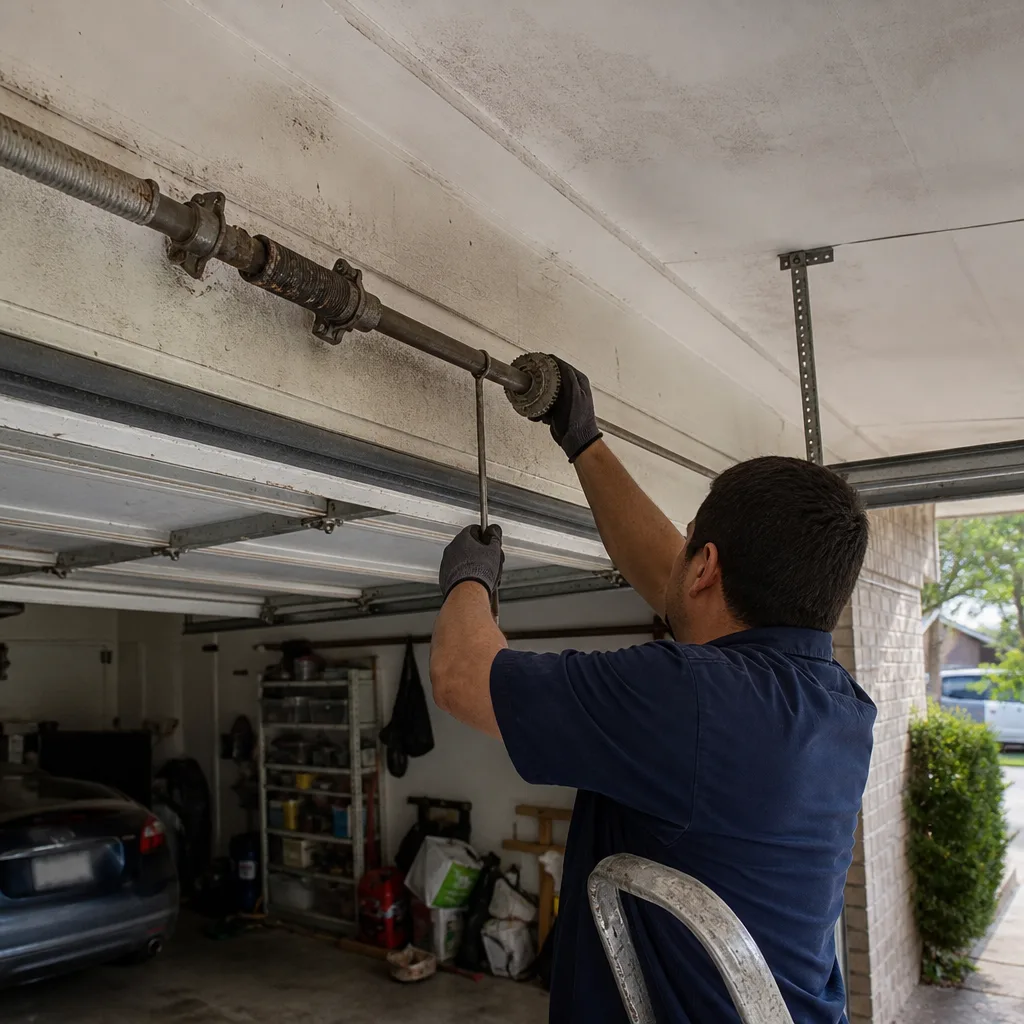 Before
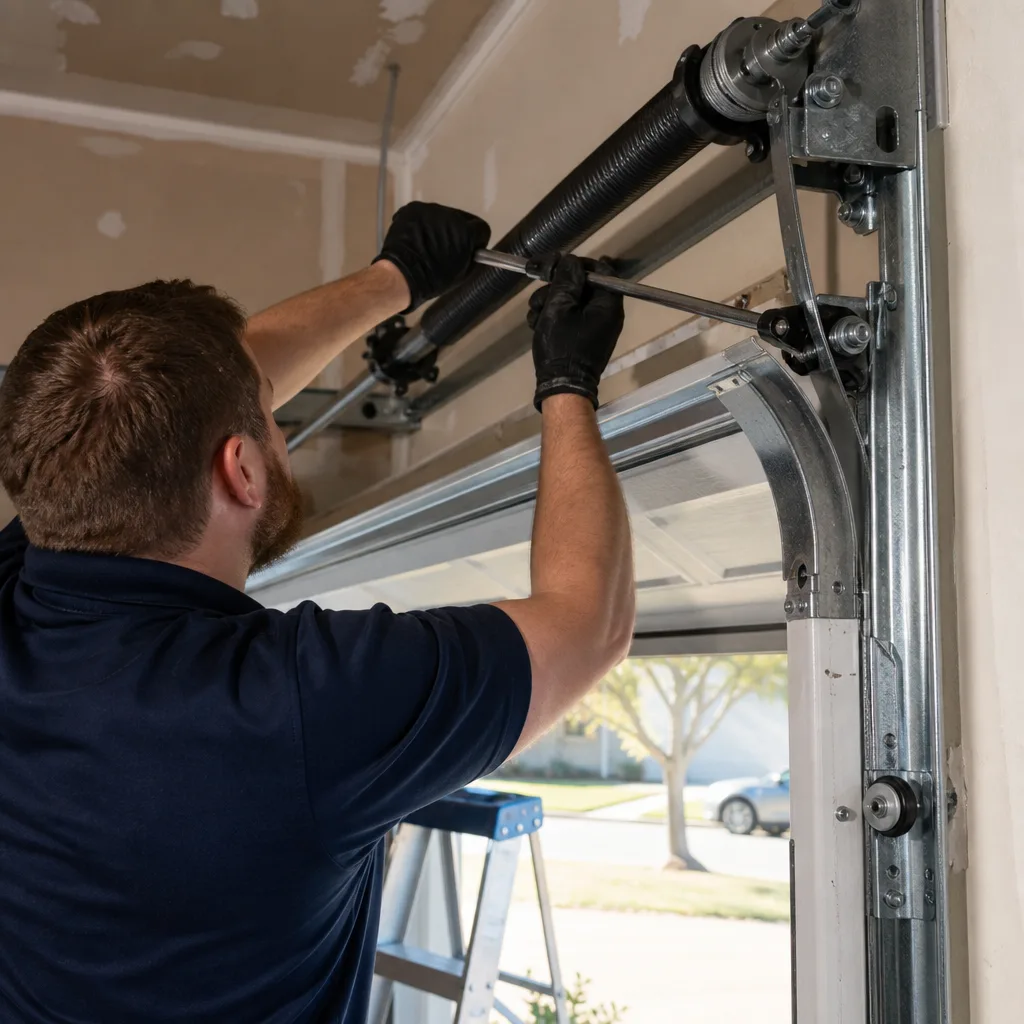 After
After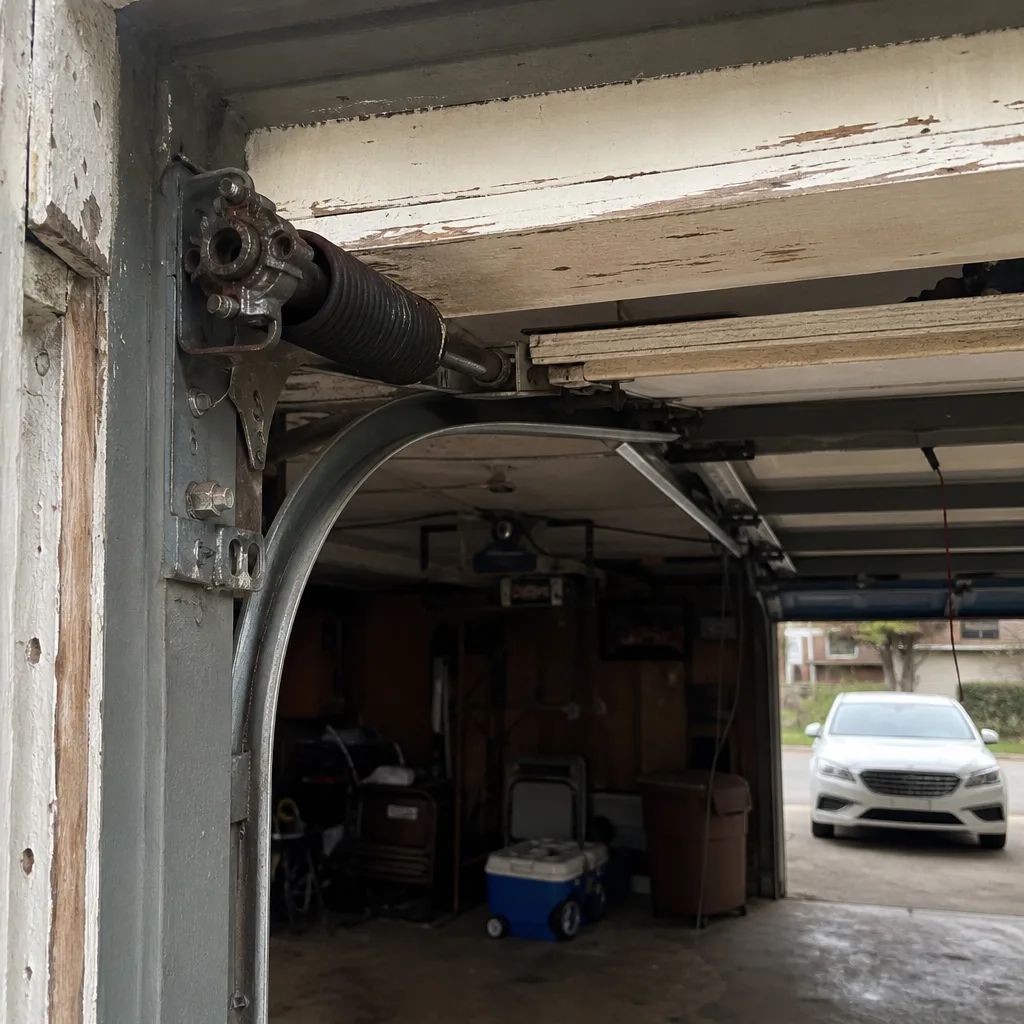 Before
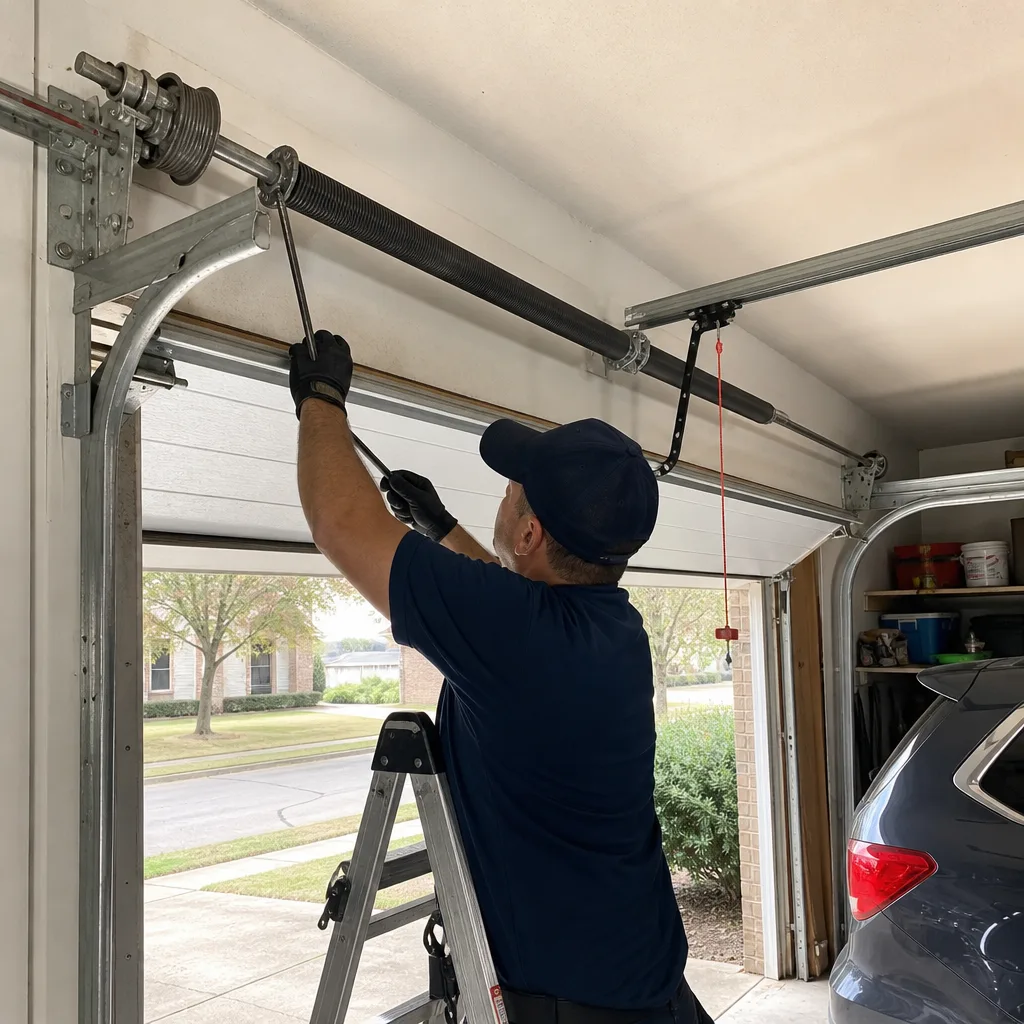 After
AfterGarage Door Cost Breakdown: The Keller Homeowner’s Reference for 2026
Two Keller neighbors replaced their garage doors in the same month last year. One wrote a check for $900 and drove away happy. The other spent $2,800 and did the same. Neither got ripped off. The difference came down to three things most people don’t think about until they’re standing in a showroom: house value, insulation needs, and HOA appearance standards that quietly narrow your choices before you even pick a color. This guide walks through exactly what drives garage door pricing in Keller in 2026, so you can decide which tier makes sense for your house and which upgrades are just markup with a shiny brochure. For more guides & resources, see our blog.
Quick Answer
A full garage door replacement in Keller typically runs $900 to $4,200 in 2026, with most homeowners landing between $1,400 and $2,600 for a standard double door with installation. The spread comes from four drivers: door material and insulation rating, labor complexity (including old-door disposal), opener compatibility, and HOA design requirements in Keller’s master-planned communities. Repairs like spring replacement run $180 to $340; opener upgrades run $350 to $700 installed.
Table of Contents
- What Garage Door Jobs Actually Cost in Keller in 2026
- The Three Price Tiers: What You Get at Each Level
- The Insulation Math: When R-16 Pays Back in Keller (and When It Doesn’t)
- Why Labor Costs Vary by $300 or More for the Same Door
- The HOA Factor: How Keller’s Master-Planned Communities Shape Your Choices
- Where to Spend and Where to Save: Otto’s Honest Take
- Common Mistakes to Avoid
- When to Call a Professional
- Frequently Asked Questions
What Garage Door Jobs Actually Cost in Keller in 2026
We answer the phone every day and quote these numbers before we ever back a truck out of the driveway. Here’s what Keller homeowners actually paid in the last twelve months, broken down by job type so you can see where the money goes. These are real ranges from our invoices, not national-looking averages from a survey of nobody in particular.
- Spring replacement (single spring): $180 to $340. Most Keller homes have two springs; replacing both runs $250 to $480 total. The springs themselves are $60 to $110 each. The rest is labor and the trip.
- Full door replacement, single-car (8×7 or 9×7): $900 to $2,400 installed. Basic non-insulated steel starts around $900; a mid-grade insulated door with decent hardware lands at $1,400 to $1,800.
- Full door replacement, double-car (16×7): $1,400 to $4,200 installed. The $1,400 version is a basic steel door with no glass, no insulation, standard track. The $4,200 version is a custom carriage-house style with insulation, decorative hardware, and heavier track.
- Opener replacement or upgrade: $350 to $700 installed. Chain-drive units sit at the low end; belt-drive and smart-enabled units run higher. Labor is typically $100 to $150 of the total.
- Single panel replacement: $250 to $600 depending on panel size, color match, and whether the panel is insulated. Color-matching an older door can add $50 to $100 because the paint has faded and the new panel needs custom tinting.
- Track replacement or realignment: $150 to $400. Bent track on one side is usually a $200 job; full track replacement with new rollers runs toward $400.
One thing that surprises people: disposal is almost always included in our quotes, but it’s not always included in everyone’s. Ask. An old 16-foot door weighs 150 to 200 pounds and doesn’t fit in your curbside bin. Some companies line-item it at $75 to $150. We roll it into the price because it feels nickel-and-dimey to separate it out, but if you’re comparing bids, make sure the other guy’s number includes haul-away before you sign.
How the Quote to Invoice Gap Happens
You’ve heard the story: phone quote says $1,100, the guy at the door says $1,900. Here’s what actually causes that gap, because it’s not always dishonesty. Sometimes it’s a door that’s older than the homeowner described, with non-standard panel sizes that only exist in an era before modern standardization. Sometimes it’s rotted jamb wood that only shows itself after the old track comes off. Sometimes it’s an opener that won’t pair with modern safety sensors. All of that is real, and all of it costs money. What matters is whether the company told you the price could shift and why, before they started. We quote on the phone and hold the number when we arrive. If we find something the previous installer buried, we stop and call you over before touching it. You agree to the additional work before it happens, or we don’t do it.
For a full breakdown of repair-specific pricing, see our guide to Garage Door Repair in Keller.
The Three Price Tiers: What You Get at Each Level
The $4,000 spread between a basic door and a high-end one isn’t smoke and mirrors, but it also isn’t all functional. Here’s what each tier actually buys you, based on what we install across Keller, from older ranch-style homes near Keller High School to newer builds in Marshall Ridge and Harvest.
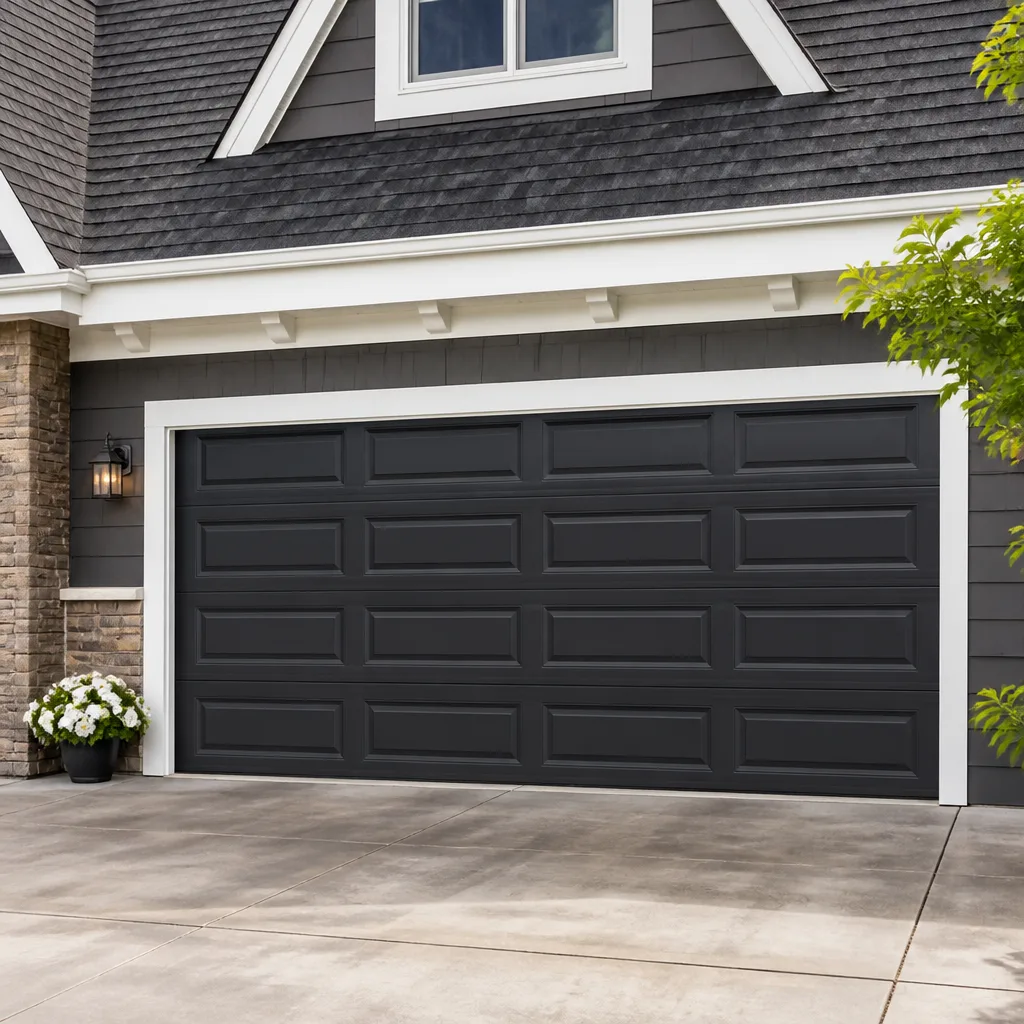
Tier 1: $900 to $1,500 (Basic Steel, Function Over Form)
This is a non-insulated or lightly insulated steel door, 25-gauge panels, basic hinges, standard rollers, no glass. It opens and closes. It keeps weather out. It does not insulate meaningfully, and it’s louder than you’d expect if you’ve never lived with one. The finish is a factory paint that will fade under North Texas sun in three to five years. This is the right door for a rental property, a house you’re selling within two years, or a garage you genuinely never spend time in. It’s also the right door for a detached garage that houses a mower and not much else.
Tier 2: $1,500 to $2,800 (Insulated Steel, The Keller Sweet Spot)
This is where most Keller homeowners land, and it’s where we point people who plan to stay in the house for five or more years. You get an insulated core (R-9 to R-16 depending on thickness), 24-gauge or better steel on the outside, nylon rollers instead of steel, and a finish that holds up better under the Texas sun. This tier also opens the door to modest design upgrades: a few window inserts, basic panel styling, a broader color range. Functionally, the door is quieter, seals better, and shrugs off the afternoon heat radiating off a west-facing drive. This is the tier where Garage Door Installation in Keller questions get answered with a tape measure and a conversation about how you actually use the space.
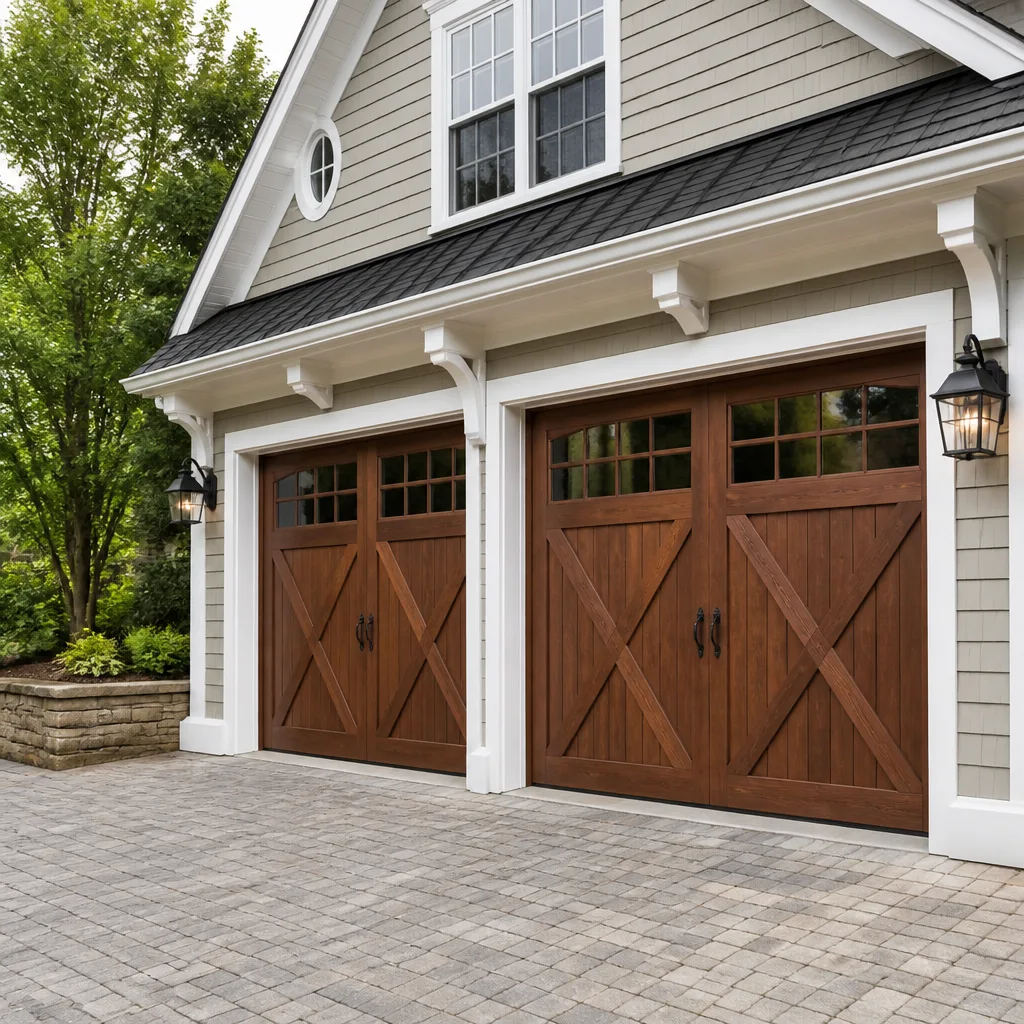
Tier 3: $2,800 to $4,200 (Custom and Carriage-House)
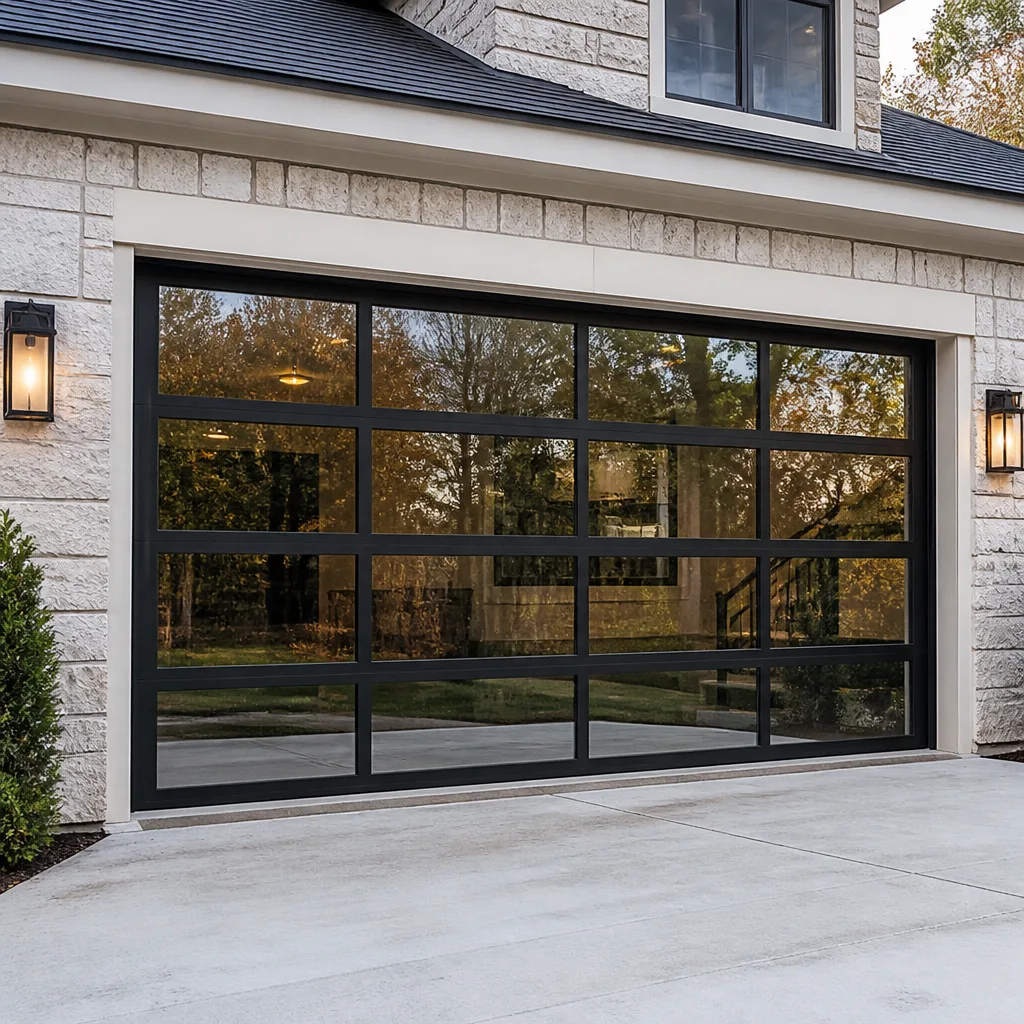
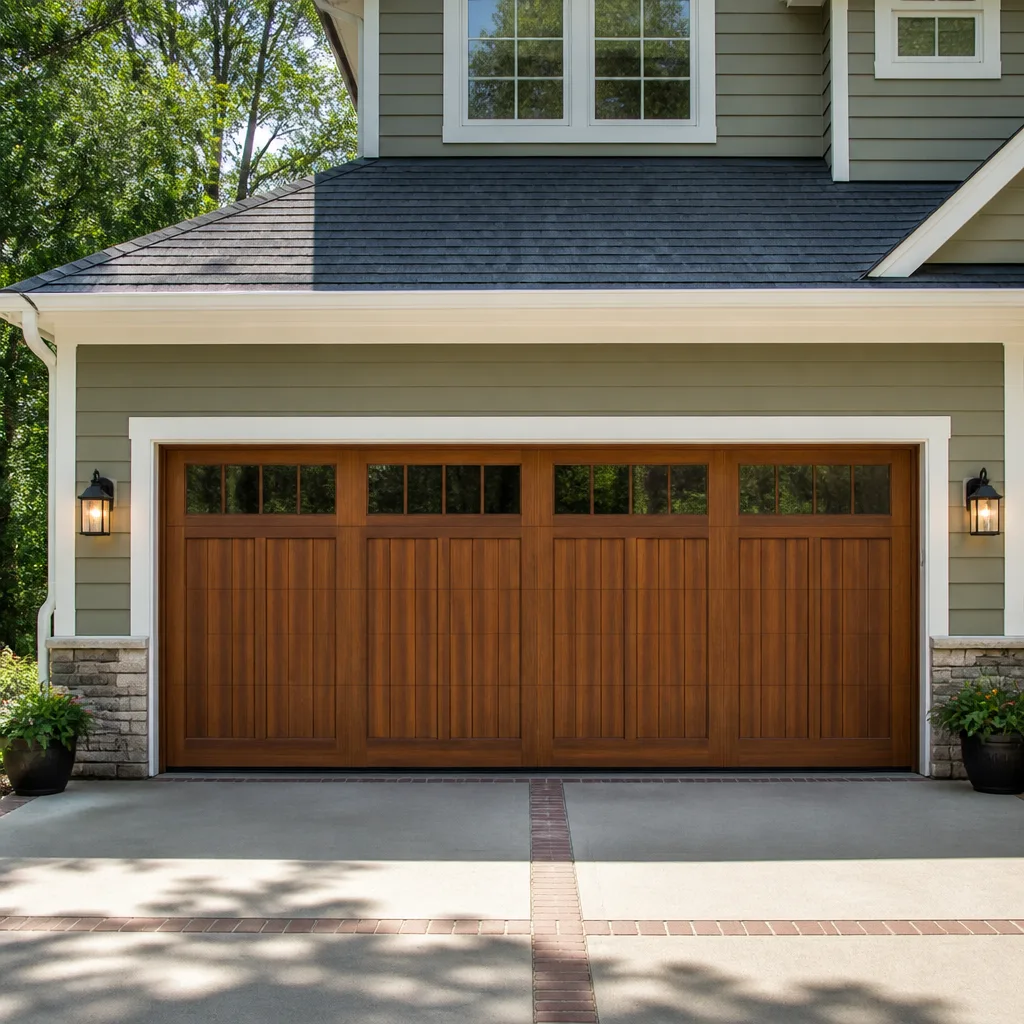
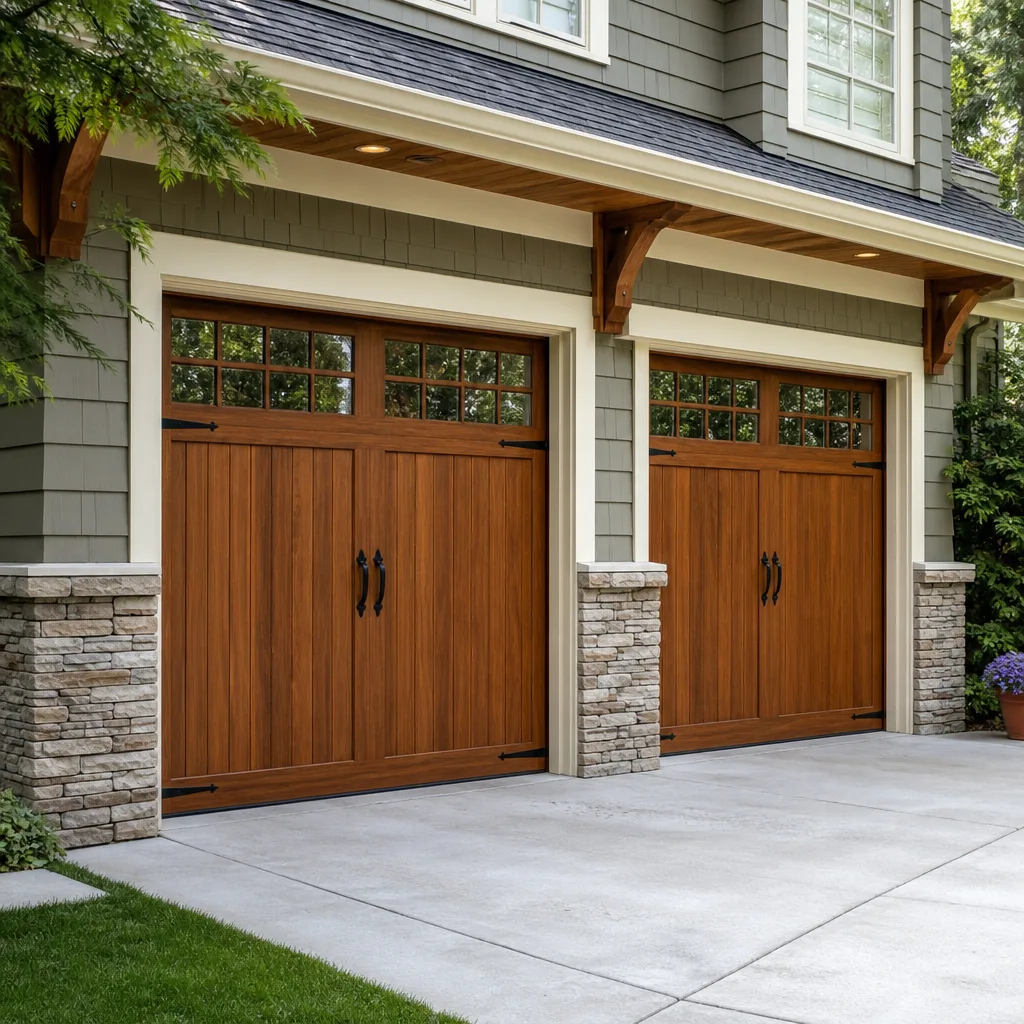
This is the tier where you’re paying as much for how the door looks from the street as for what it does. Custom wood-look steel, true carriage-house styling, full glass sections, heavier track rated for more cycles. Some of this is functional: thicker steel resists dents better, heavier track lasts longer under daily use. But a lot of it is curb appeal. In Keller’s master-planned communities where street-facing garages are prominent, this can be the difference between a door that matches the house and a door that looks like an afterthought. Whether that’s worth an extra $1,500 depends on your street, your HOA, and how long you plan to live there.
The Insulation Math: When R-16 Pays Back in Keller (and When It Doesn’t)
Here’s the honest version, because most garage door companies will sell you insulation regardless of whether it makes sense for your situation. An insulated door’s R-value measures resistance to heat flow. In Keller, where July and August hammer a west-facing garage door with 100-degree heat plus direct afternoon sun, insulation does three things: it slows heat transfer into the garage, it dampens noise, and it makes the door panels stiffer, which helps them resist dents. What it does not reliably do is pay for itself in energy savings.
Here’s the math we walk through with homeowners:
- If your garage is attached and shares a wall with conditioned living space, insulation matters. A 16-foot door is the largest uninsulated thermal hole in most houses. An R-16 door can knock 10 to 15 degrees off the garage temperature in August, which means the wall between garage and house isn’t fighting as hard. In a house where the water heater and a bedroom sit above the garage, this is real savings.
- If your garage is detached or your house doesn’t share conditioned walls with it, the energy savings shrink to almost nothing. You’re paying for comfort in a room you don’t heat or cool. That’s a choice, not an investment.
- If you use your garage as a workshop, gym, or hobby space, insulation is a comfort upgrade that absolutely matters to you, and that’s a valid reason to buy it. Call it what it is: a lifestyle purchase, not an energy payback.
- If your door faces west in Keller, add $200 to $400 to your insulation budget without question. The afternoon sun on a west-facing steel door turns the garage into a pizza oven by 4 p.m. Insulation and a lighter paint color are the two things that actually fight that.
The R-16 versus R-9 question usually comes down to $150 to $300. In a west-facing attached garage, spend the extra. In a north-facing detached garage, pocket it.
Why Labor Costs Vary by $300 or More for the Same Door
Two companies can quote the same 16×7 insulated steel door $400 apart, and both can be legitimate businesses. Here’s what drives that gap in Keller specifically, because some of it is regional.
- Insurance and licensing. An uninsured operator running a garage door business out of a pickup truck has almost no overhead. His labor rate can be $40 an hour under a licensed company’s because he’s not carrying workers’ comp, liability insurance, or any of the other costs that protect you when something goes wrong. The lowest bid is sometimes low for exactly this reason. We publish our address and license number because you should know who you’re hiring before they touch a 200-pound door on two springs.
- Old-door disposal. Hauling a 16-foot door to the county transfer station takes a trailer, time, and a disposal fee. Companies that own their own trailer absorb it. Companies that don’t either line-item it or leave it at your curb. Confirm disposal is in the quote.
- Trip charges and minimums. Some companies charge $50 to $95 just to show up in Keller, then apply it to the work if you hire them. We don’t charge a trip fee inside our home county because the second opinion should cost you nothing.
- Same-day and emergency capacity. A spring breaks at 7 p.m. on a Tuesday and your vehicle is inside. The company that answers the phone at night and has springs on the truck charges more than a company that will put you on the schedule for Thursday. That premium is real and usually worth it. A person answering the phone at nine at night, quoting the job on the call and holding the number at the door, that’s a different business model than a voicemail that says “we’ll call you back tomorrow.” We answer around the clock because we’ve been in this county since 2004 and Otto’s name is on the van.
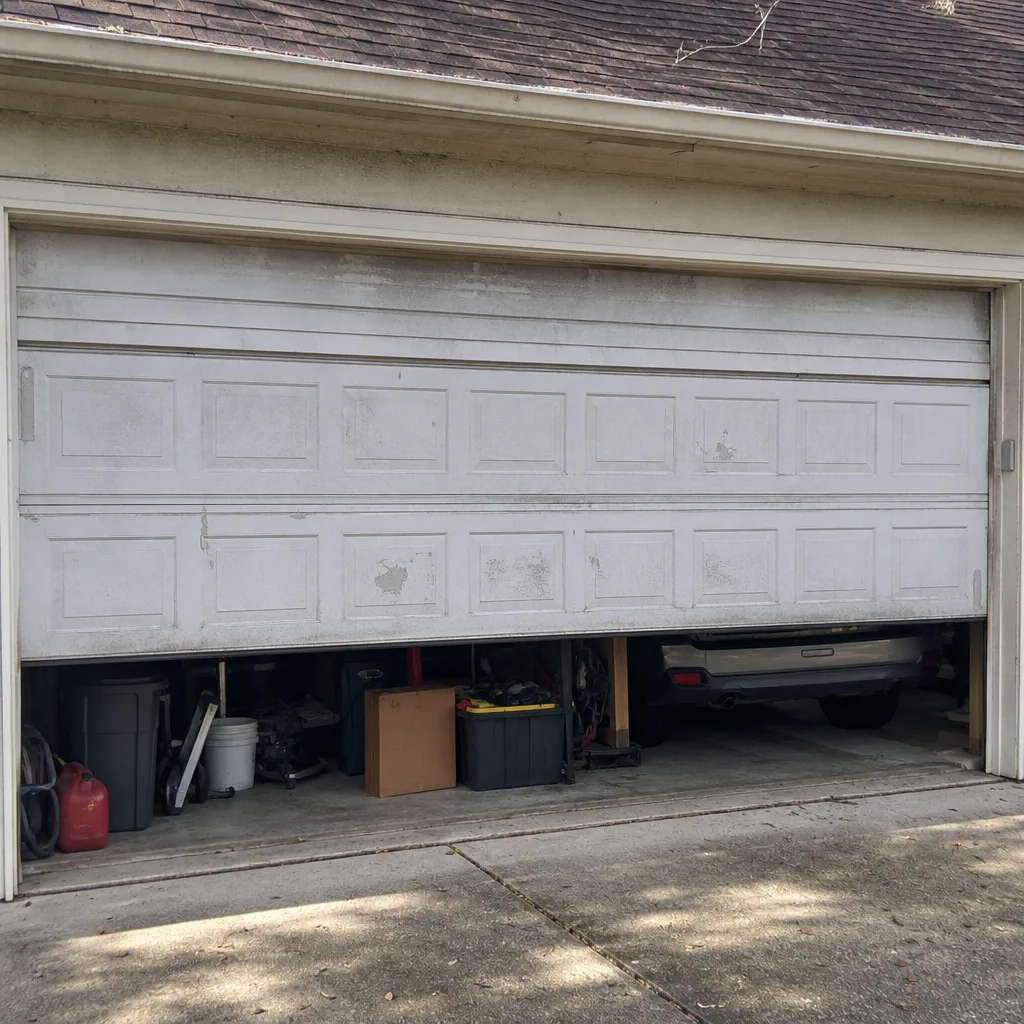
- Complexity of your specific install. A 1987 door with non-standard panel sizes, rusted track, and a header that’s settled a quarter inch will take twice as long as a clean 2015 door. Labor should reflect that. If a quote sounds suspiciously low for an old, odd-sized door, ask how they’re handling panel sizing.
For opener-specific work, including pairing a new door with an older opener or upgrading to a belt-drive unit, see Garage Door Opener in Keller.
The HOA Factor: How Keller’s Master-Planned Communities Shape Your Choices
Keller isn’t one housing market. It’s a patchwork of established neighborhoods with no HOA, established neighborhoods with HOAs that mostly stay quiet, and master-planned communities where the appearance standards have teeth. If you live in Harvest, Avilla, Marshall Ridge, or certain phases of Hidden Lakes, your door choice is constrained before you ever call a showroom. Here’s how that plays out in practice.
Most Keller HOAs with design review authority have written standards for garage doors. The common requirements we see: doors must face the street with a finished appearance (no raw metal, no primer), color must match or complement the house trim, and any replacement door must be the same style family as the original or an approved upgrade. Some go further: carriage-house doors required on street-facing elevations, insulated glass inserts mandatory, or a specific manufacturer list you have to choose from. When an HOA mandates a specific door style or manufacturer, you’re not picking from the whole market. You’re picking from whatever meets their standard, and that standard usually sits in Tier 2 or Tier 3 pricing.
What this means: before you fall in love with a $950 basic steel door, check your HOA’s architectural guidelines. In Harvest, for example, street-facing garage doors are prominent and the design standards lean toward carriage-house styling. In older neighborhoods off Bourland Road or near Bear Creek Park, many homes predate HOA oversight entirely and your only rule is your own budget. The HOA doesn’t make money from your door upgrade. But it can absolutely push you into paying for aesthetics you weren’t planning on. Budget accordingly, or appeal if you think you have grounds.
Where to Spend and Where to Save: Otto’s Honest Take
People ask us all the time what we’d do on our own house, so here it is. This is the same answer Otto gives the guy at the feed store who asks “what should I actually buy?” while his wife pretends not to care about the answer.
Spend Here
- Springs. This is the one place where spending more directly buys you door life. A standard spring is rated for about 10,000 cycles, which is 8 to 10 years of daily use. A high-cycle spring rated for 20,000 or 30,000 cycles costs $40 to $80 more per spring and lasts two to three times as long. We count spring cycles the way you count tire miles. The upgrade is almost always worth it.
- Rollers. Nylon rollers cost $10 to $15 more per roller than steel and make the door noticeably quieter while putting less wear on the track. New doors should come with nylon rollers. If a quote puts steel rollers on a $2,000 door, ask why.
- Insulation, if your garage is attached and west-facing. Already covered above. This is the one upgrade that changes how the room feels year-round.
- Opener pairing. A new insulated door on a 15-year-old opener is like new tires on a car with a shaky transmission. If your opener is older than about 2012, read our notes on openers or call and ask. Pairing a new door with a modern opener costs less during the door install than it will as a separate service call later.
Save Here
- Decorative hardware. Magnetic carriage-house hinges and handles are a $50 to $150 add-on that changes exactly nothing about how the door functions. They look nice from the street. If you want them, buy them. Just know they’re cosmetic and they can rattle after five years.
- Smartphone-enabled everything. A Wi-Fi opener lets you open the door from your phone and get an alert when it cycles. That’s genuinely useful for some people. But it’s not the same as a durable opener. A solid belt-drive opener without Wi-Fi will cost $100 to $200 less and last just as long. Buy the app only if you’ll actually use it.
- Premium paint finishes. Some manufacturers charge $200 to $400 for “designer” colors or a faux-wood finish. It fades under the Keller sun like everything else. If you want wood look, buy a wood-look steel door. If you want a color door, know that a repaint in five years will cost less than the premium finish upgrade.
- Warranty extensions beyond the first year. Our 90-Day Done Right Promise covers workmanship for ninety days in writing, and component warranties from manufacturers cover the parts. Extended warranty add-ons from third parties are usually margin-padding. Read what the manufacturer already covers before paying for more.
Whatever you choose, get the price in writing before work starts. If a company won’t put the quote on paper and hold it at the door, that’s your signal to call someone else. We’ve been in this county since 2004, and the name on the van is the name on the invoice and the name on the license. That’s how it should work.
Common Mistakes to Avoid
- Buying the door before checking the HOA. In Keller’s master-planned communities, a door that doesn’t meet design standards can trigger a letter requiring replacement. Read the architectural guidelines before you order anything. A $1,200 mistake is avoidable with a phone call.
- Replacing a door without looking at the springs. A new door on old springs is a missed opportunity. Springs are rated by cycles, and if the old ones are near end of life, replacing them during the door install costs less than a separate emergency call later. In our experience, half the springs we see on homes built in the early 2000s are within a year or two of failure.
- Comparing bids without comparing what’s included. One bid includes disposal, new weather stripping, and nylon rollers. Another doesn’t. When you line them up next to each other, make sure you’re comparing the same scope. The $400 gap between two quotes often disappears once you add the line items back in.
- Skipping insulation on a west-facing attached garage. You’ll feel it every afternoon from June through September. The upgrade cost is a fraction of what you’d spend cooling a room that’s fighting a hot wall.
- Letting someone work on your springs who isn’t insured. A garage door is 200 pounds riding on two springs. Respect it. High-tension springs and cables store enough energy to cause serious injury if mishandled. If the person at your door can’t show proof of insurance and a license, you’re the one holding the risk. Don’t.
- Paying a deposit to a company that won’t put the job on paper. Reputable local companies take a deposit and give you a written scope of work. A handshake and a Venmo request is not a contract.
- Replacing a door when a repair would do. A single dented panel can sometimes be swapped for $250 to $600 instead of a $1,500 full replacement. We’ll tell you when repair makes sense and when it doesn’t. Sometimes the door’s age and panel fading mean a patch job will never match. But sometimes the answer is just one panel.
When to Call a Professional
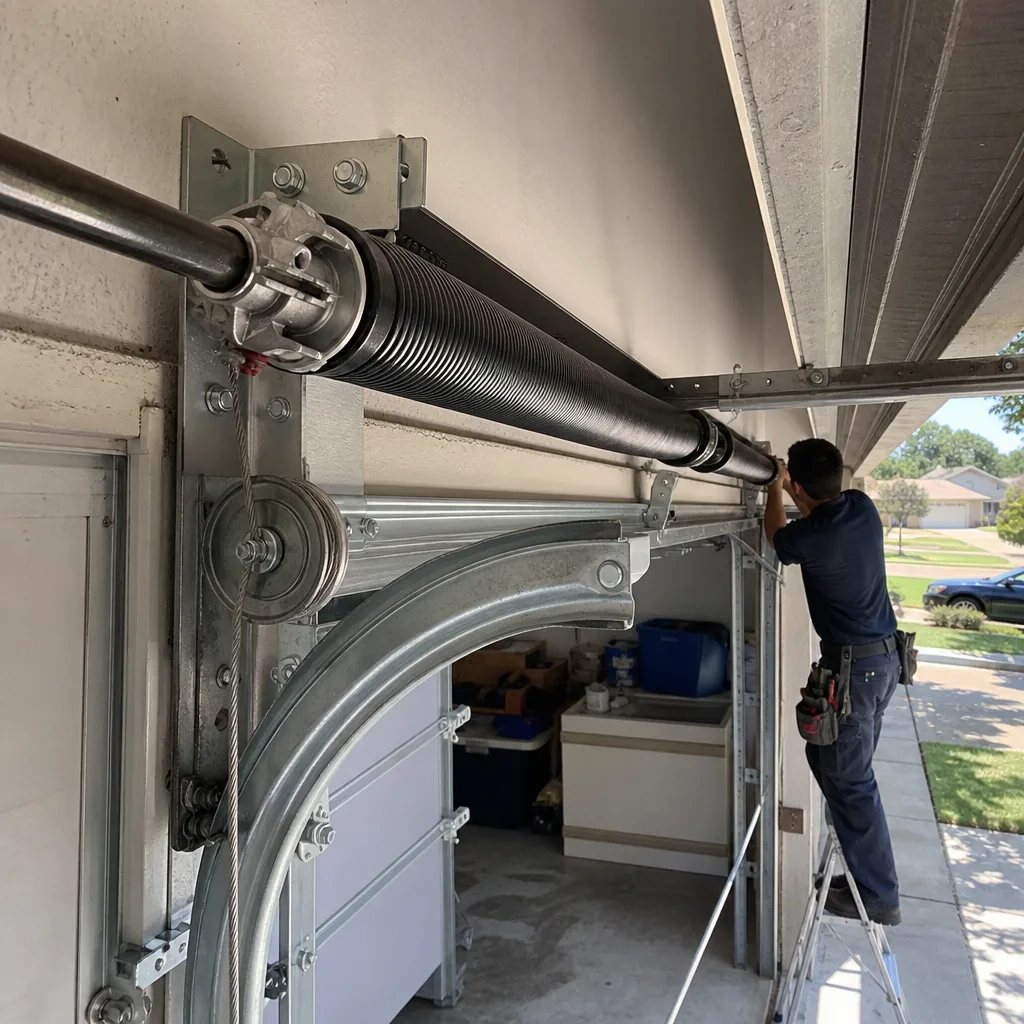
Springs, cables, and track are not DIY territory. A garage door spring under tension carries enough force to break bone or worse if it lets go while you’re working on it. We don’t give step-by-step instructions for spring work because we don’t want someone getting hurt in their own garage trying to save $150. That’s not a sales pitch. It’s the honest answer from people who pull wrenches on these doors every day. If your door is off its track, making a grinding noise, or leaning to one side when it opens, call someone who does this daily. For a full list of what to watch for, see our Garage Door Warning Signs: A Keller Homeowner’s Reference Guide. If your opener is from before 2005 and making a straining noise, the problem is almost never the opener. It’s the door or the springs making the opener work too hard, and a new opener won’t fix that.
Otto’s Garage Door offers free estimates in Keller. Call (817) 241-0932 and we’ll walk through your situation, give you a straight price, and hold it when we arrive. If you’ve got a written estimate from another company and want a second set of eyes, that second opinion is free too.
Frequently Asked Questions
A full replacement runs $900 to $4,200 installed, with most homeowners spending $1,400 to $2,600 for a standard double door with insulation. The price depends on door size, insulation rating, style tier, and any HOA requirements. Call (817) 241-0932 for an exact quote on your specific door and opening.
A basic non-insulated single steel door can run as low as $900 installed, but it’s usually the wrong choice for an attached garage in the Keller climate. The lowest legitimate price for a double door that will hold up under Texas sun is around $1,400. Anything under that for a double door is worth asking hard questions about: insurance, disposal, and what “installed” actually includes.
It can, if the garage is attached to conditioned space and especially if the door faces west. Insulation slows heat transfer into the garage, reducing the load on the wall between the garage and your living space. On a detached garage or a north-facing door, the energy savings are minimal. The comfort difference is real either way if you spend time in the garage.
Possibly. Keller’s master-planned communities, including Harvest, Avilla, and parts of Hidden Lakes and Marshall Ridge, have architectural review standards that can limit door style, color, and manufacturer. Older neighborhoods often have no restrictions. Check your HOA documents before you shop, or ask us and we’ll tell you what we’ve installed in your community recently.
Yes. We answer the phone around the clock and quote the job on the call. The number we give you is the number on the invoice unless we find something hidden that the previous installer covered up, and even then we stop and talk to you before any additional work happens. No surprises at the door. Call (817) 241-0932 for a straight price.
No trip charge inside our home county. If you’re in Keller, Trophy Club, Southlake, or the surrounding area, the first visit costs you nothing, whether you hire us or not. A second opinion on a written estimate is free too.
The Bottom Line
A garage door is one of the few big purchases where spending more and spending less can both be the right call, depending on your house, your HOA, and how you use the space. The key is knowing what each dollar buys: insulation that changes how the garage feels, springs that determine how long the door lasts, and styling that matters more on a street-facing Harvest elevation than on a tucked-away Bourland Road ranch house. Get your HOA’s standards before you shop. Get your price in writing before you sign. And if you’re not sure what you actually need, call us at (817) 241-0932 and ask. We’ve been doing this in Keller since 2004, and Otto’s a palindrome: reads the same from either end, same as a good door.
Written by Otto Reinhardt, Owner at Otto’s Garage Door, serving Keller since 2004.