
Last updated September 10, 2026
Full 25-point door and opener safety check with every visit - springs, cables, rollers, tracks, and your LiftMaster or Chamberlain opener included
You get a price before we start. It does not change when the truck arrives.
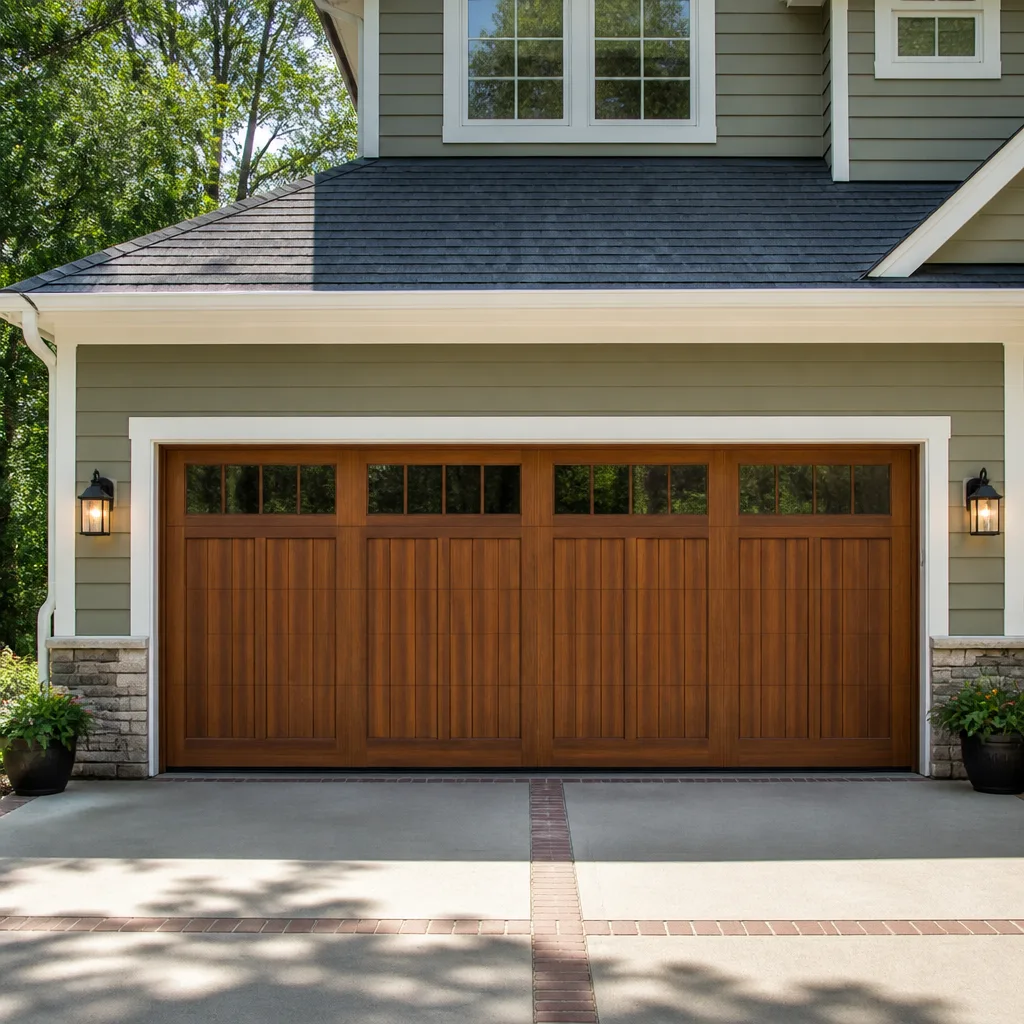
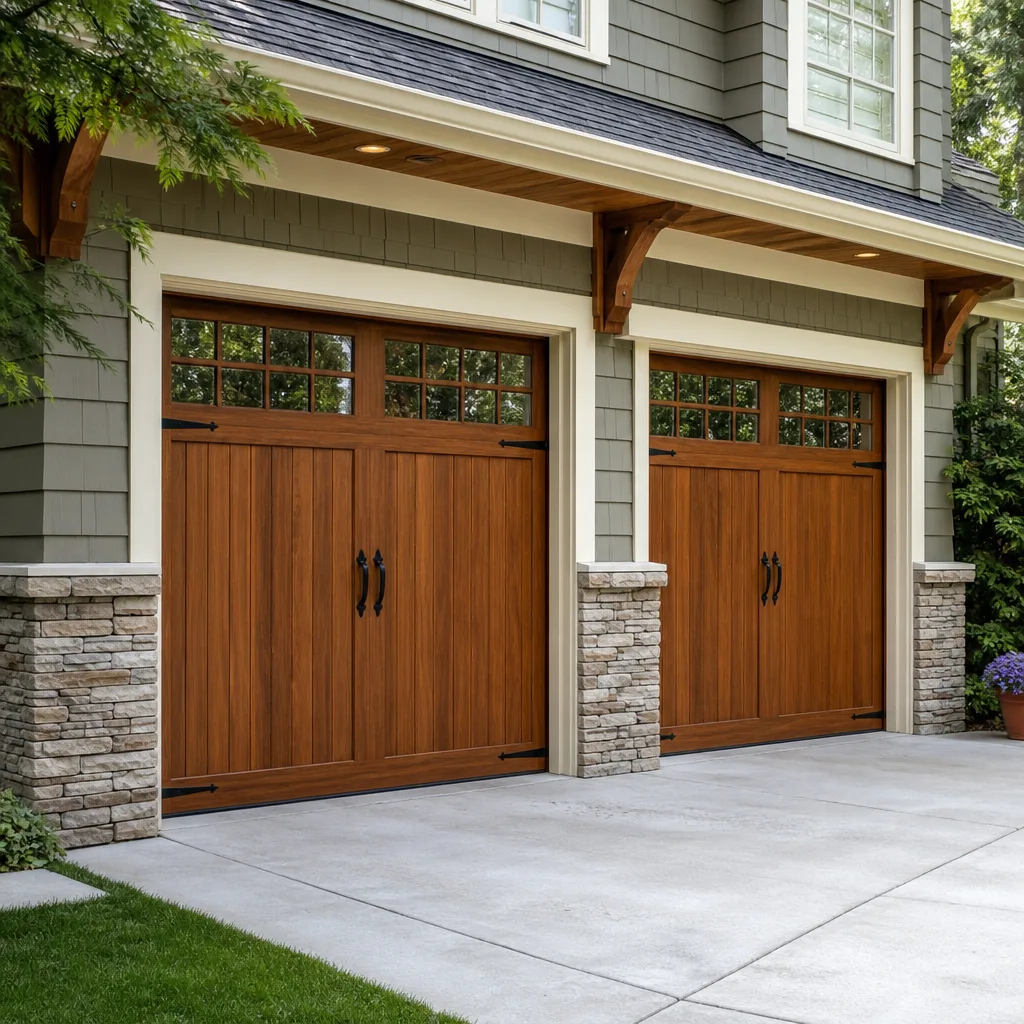
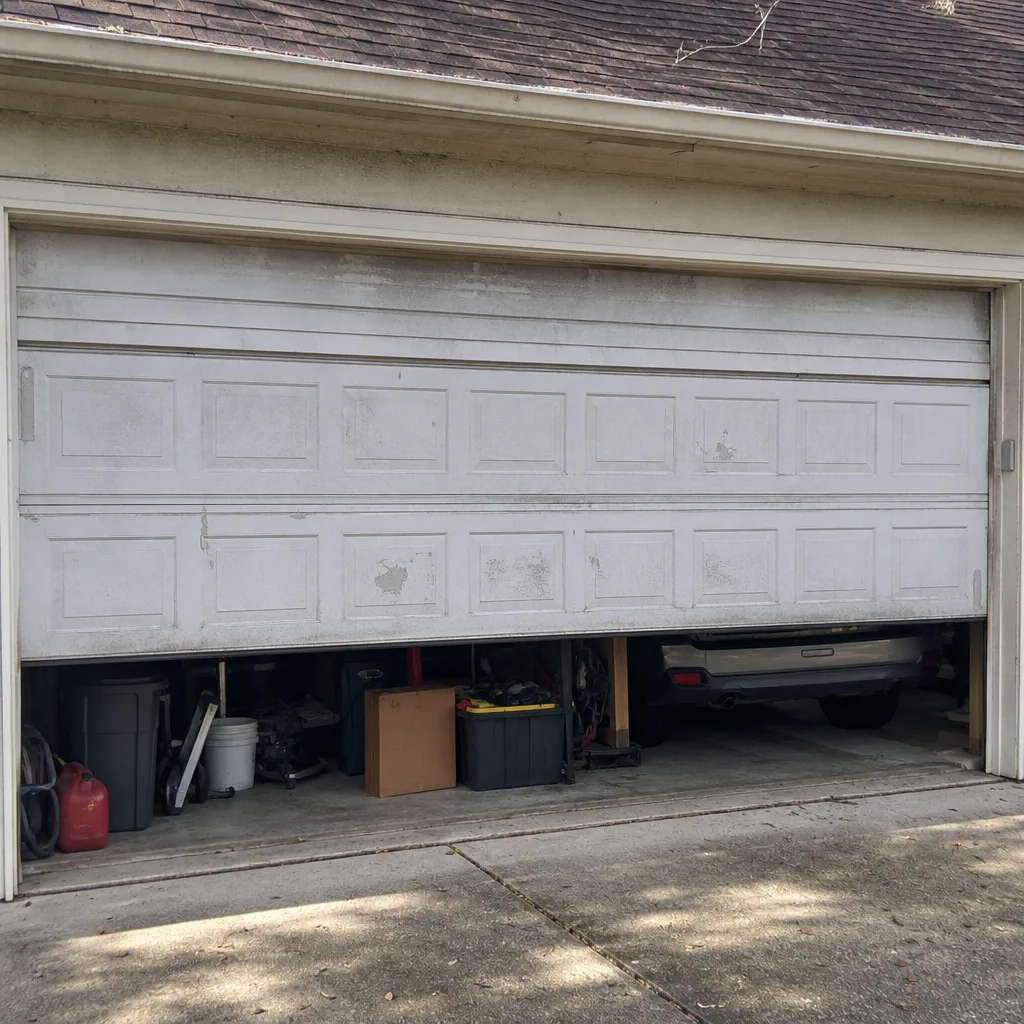 Before
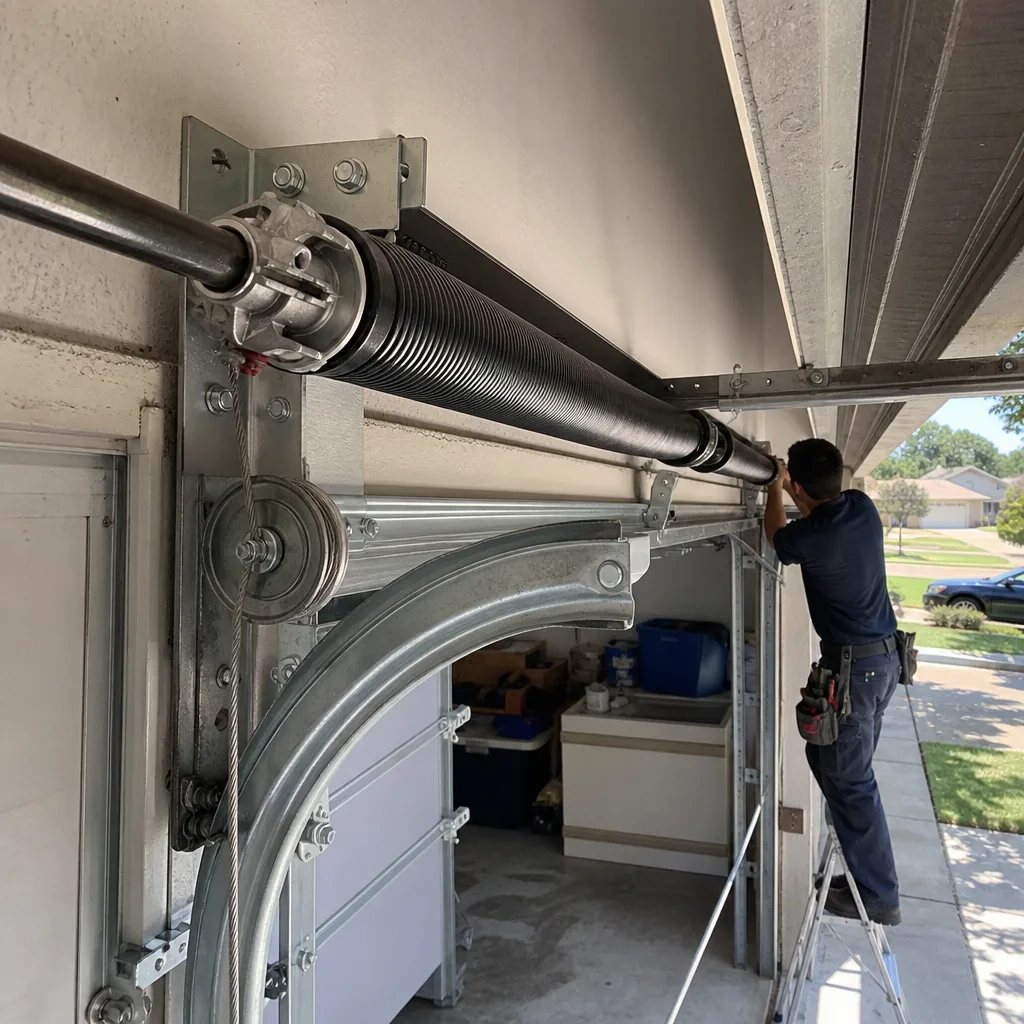 After
After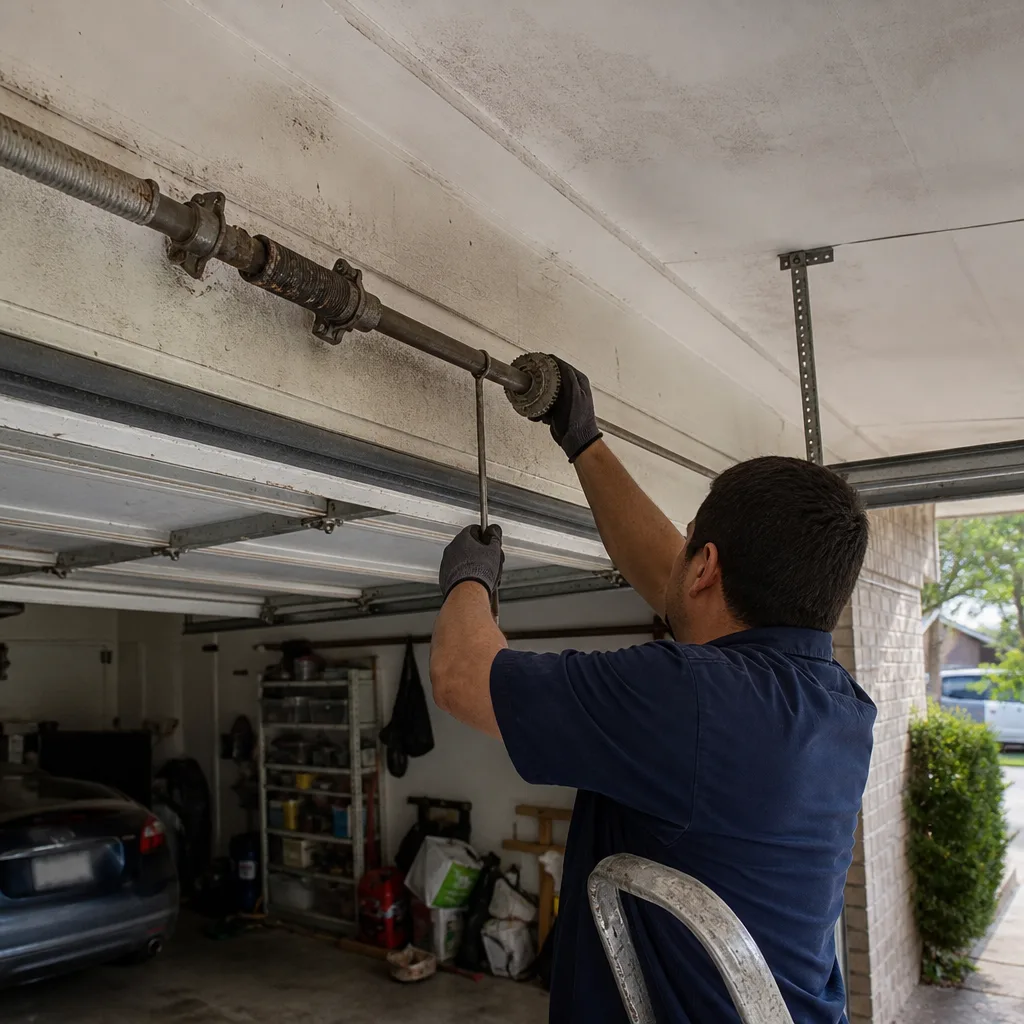 Before
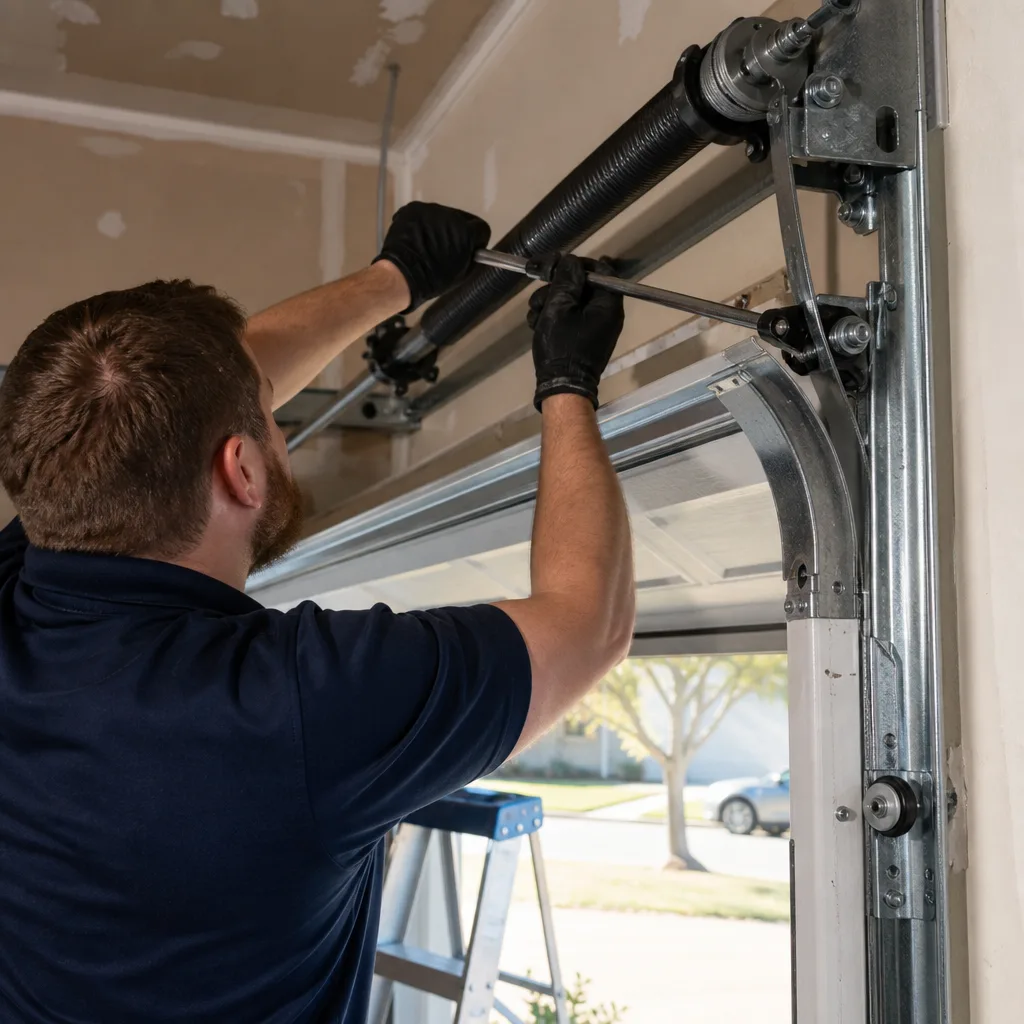 After
After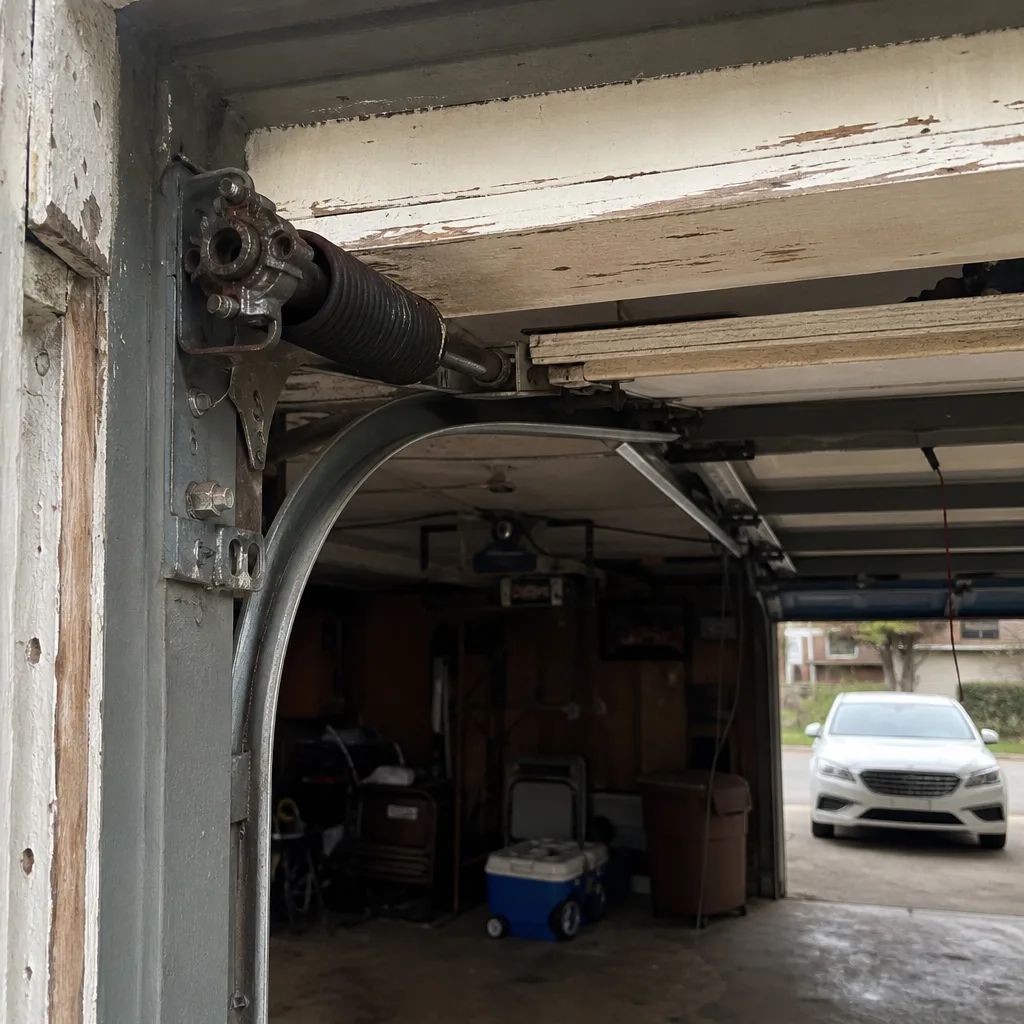 Before
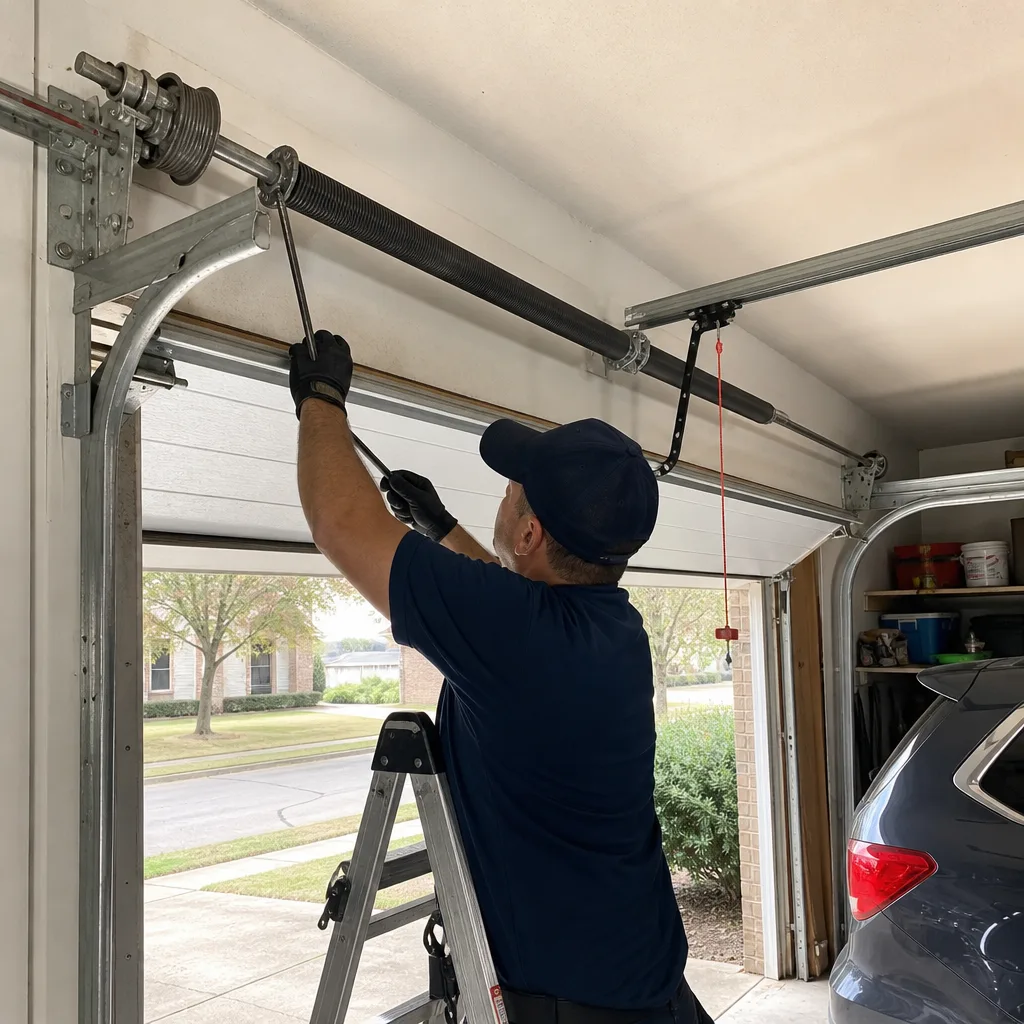 After
AfterGarage Door Permits, Codes & Inspections in TX: What You Need to Know
A homeowner in North Texas sold their house in 2023 and the deal nearly fell apart during inspection. Not because of the roof. Not the foundation. A garage door replaced three years earlier was never permitted, and the opener didn’t meet the current UL 325 safety standard. The fix cost more than the original door. This guide walks through exactly when Texas and Keller building codes apply to garage door work, what happens if you skip the permit, and how to protect yourself whether you’re repairing, replacing, or selling.
Quick Answer
In Keller, Texas, a full garage door replacement or any structural modification to the opening typically requires a city permit, while spring replacement, panel repair, and opener swaps usually don’t. Texas building code also requires openers to meet UL 325 entrapment protection standards. Skipping a required permit can surface during a home sale and cost more than the original job.
Table of Contents
- What Texas Building Code Actually Says About Garage Doors
- Keller Permit Thresholds: What Needs a Permit and What Doesn’t
- UL 325 and Opener Safety: The Standard Most Homeowners Never Hear About
- The HOA Layer: Keller’s Master-Planned Communities
- Grandfathering: What It Does and Doesn’t Protect
- How the Permit Process Works in Keller, Step by Step
- What Most Contractors Won’t Tell You About Permits
- Common Mistakes to Avoid
- When to Call a Professional
- Frequently Asked Questions
- The Bottom Line
What Texas Building Code Actually Says About Garage Doors
Texas does not have a single statewide residential building code. Instead, the state adopts the International Residential Code (IRC) as a baseline, and local municipalities like Keller enforce their own amended versions. What that means for your garage door: the requirements in Keller may be slightly different than Fort Worth, Southlake, or unincorporated Tarrant County.
Under the IRC as adopted in Texas, garage doors are regulated primarily in two places. First, Section R309 covers garages and carports, including fire separation requirements between the garage and living space. Second, the door itself must meet wind load requirements in North Texas, where design wind speeds routinely exceed 90 mph. A door rated for a coastal market is not automatically rated for the gust patterns we get across the prairie.
The code references three things on virtually every residential garage door job:
- Door listing and labeling: The door assembly must be tested and labeled for the wind pressure zone it’s installed in. Keller sits in a zone where this matters more than homeowners assume.
- Fire separation: The door between the garage and the house interior, including any pedestrian door, must maintain a 20-minute fire rating where required. This affects how the framing around a new opening is built.
- Opener entrapment protection: Any automatic opener installed or replaced must comply with UL 325, which mandates reversing mechanisms and photoelectric sensors.
We’ve been doing garage door work in Keller since 2004, and we can tell you this: the code is written for the person who buys your house ten years from now, not for the person who wants the cheapest install today. That’s the part most folks miss until it’s too late.
For broader context on how code and installation fit together, see our guide on Garage Door Installation in Keller, where we cover what a code-compliant install looks like from start to finish.
Keller Permit Thresholds: What Needs a Permit and What Doesn’t
The City of Keller requires a building permit for any residential construction or alteration that changes the structure, the opening size, or the electrical connection of a building. Applied to garage doors, that breaks down into a fairly clear line.
Work that typically REQUIRES a Keller permit:
- Full garage door replacement where the existing door is removed down to the rough opening and a new door is installed. Keller treats this as an alteration to the building envelope.
- Any change to the rough opening size: widening a single door to a double, raising the header, or adding a second door where none existed.
- Structural header work, even if the door size stays the same. If the header comes out, the city wants eyes on it.
- New electrical wiring for an opener where no outlet or circuit exists. Running a new circuit to the garage ceiling is electrical work, not door work.
Work that typically does NOT require a Keller permit:
- Spring replacement, whether torsion or extension. This is a repair to an existing component, not a structural alteration.
- Cable, roller, hinge, and track repair on the existing door.
- Panel replacement where the frame and opening remain unchanged.
- Opener replacement when plugging into an existing, code-compliant outlet. The opener itself is a listed appliance; swapping it is not a structural change.
- Sensor replacement and realignment to bring an existing opener up to UL 325 compliance.
The threshold that trips up most Keller homeowners is the full door replacement. A lot of folks assume that because the house already has a garage door, putting in a new one is maintenance. The city sees it differently. If you’re not sure where your job falls, a quick call to the Keller Building Department before work starts clears it up in five minutes. Or call us at (817) 241-0932 and we’ll tell you straight.
UL 325 and Opener Safety: The Standard Most Homeowners Never Hear About
UL 325 is an Underwriters Laboratories safety standard for automatic garage door openers and other gate and door operators. It has been federal law since 1993 via the Consumer Product Safety Commission, and it’s been updated several times since. The current version mandates that every residential opener must reverse on contact with an obstruction AND reverse when a photoelectric sensor beam is broken.
Here’s what that means in plain English for a Keller homeowner:
- Every opener installed after January 1, 1993 must have a working reversing mechanism that stops and reverses the door if it hits something on the way down.
- Every opener installed after January 1, 1993 must have photoelectric sensors mounted no higher than 6 inches off the floor on each side of the door opening, wired so that breaking the beam while the door is closing causes the door to reverse.
- Sensors must be tested regularly. A two-by-four laid flat under the closing door is the standard test: the door must reverse within 2 seconds of contacting it.
- Wall control buttons must be mounted at least 5 feet above the floor, out of reach of small children.
When we replace an opener in a Keller home built before 1993, it’s not uncommon to find the original opener still in place with no sensors at all. That’s legal if it was installed before the standard took effect and nobody has touched it since. The moment we replace that opener, the new unit must meet current UL 325 requirements, and we wire the sensors properly even if the homeowner swears they’ll never have kids or pets in the garage.
Why does this matter at closing? Because home inspectors in Tarrant County are trained to check opener safety compliance. An opener without working sensors or a reversing mechanism is a flagged defect on the inspection report and one of the Garage Door Warning Signs: A Keller Homeowner’s Reference Guide. In a competitive seller’s market that’s a negotiation point. In a slow market, it’s a deal killer.
We carry LiftMaster and Chamberlain openers on the truck for most Keller jobs, and both manufacturers build current UL 325 compliance into every unit they ship. The compliance is only as good as the install though. A sensor wired around, mounted too high, or aimed wrong is just as dangerous as no sensor at all.
For more on opener work specifically, see Garage Door Opener in Keller.
The HOA Layer: Keller’s Master-Planned Communities
City code is only half the story in Keller. The other half is the HOA, and Keller has more than its share of master-planned communities with architectural control committees. Hidden Lakes, Marshall Ridge, Summerfields, and the Estates at Oak Run all have design standards that cover garage doors.
An HOA can legally require you to get written architectural approval before replacing a garage door, even when the City of Keller doesn’t require a permit. The HOA standards typically govern:
- Door color and material. Some HOAs in Keller mandate specific color palettes or reject certain materials outright.
- Panel style. Carriage-house doors are popular in Hidden Lakes; a plain raised-panel steel door might get rejected by the architectural committee.
- Window placement and glass type. Decorative windows in the top section are often restricted or required depending on the community.
- Insulation value. Some Keller HOAs require insulated doors for attached garages as part of their energy standards.
The sequence that actually works in Keller is this: check HOA requirements first, then check city permit requirements, then get the work done. Get it backwards and you can end up with a city-approved door the HOA orders you to replace. We’ve seen that happen. The homeowner paid twice because the architectural committee rejected a door that the building inspector had already signed off on. Neither one of them was wrong; they were enforcing different rulebooks.
If you’re in a Keller HOA community and you’re not sure whether your association has garage door standards, pull out your covenants and check the architectural guidelines section. If you can’t find them, call your management company. It costs nothing and it’s faster than replacing a door twice.
Grandfathering: What It Does and Doesn’t Protect
Grandfathering means an existing condition that was legal when it was built remains legal even if the code changes later. It does not mean the condition is exempt from future scrutiny. This distinction matters enormously when you sell a house.
Here’s how grandfathering actually works on a garage door in Keller:
- What it protects: An opener installed in 1990 without photoelectric sensors is legal to operate today because it predates the UL 325 requirement. Nobody is going to cite you for it. An uninspected door replacement from 2015 might sit quietly for years with no consequence.
- What it does not protect: Your sale. When you sell, the buyer’s inspector will flag any garage door condition that fails current safety standards, grandfathered or not. The buyer can then demand a repair or credit. You can refuse, but in a market with inventory, the buyer walks. Grandfathering is not a defense in a real estate negotiation.
- What it never covers: Work done without a required permit. If the city required a permit and one was never pulled, there’s no grandfathering provision that retroactively legalizes that work. The city can require you to pull the permit after the fact, pay penalty fees, and open up the work for inspection, which may mean removing trim or drywall to expose the framing.
We got called out to a house in the Villages of Woodland Springs a few years back. The homeowners had replaced their garage door five years earlier through a contractor who never pulled the Keller permit. The sale was under contract. The buyer’s lender flagged the unpermitted work, the title company got involved, and suddenly the seller was on the hook to get the work inspected retroactively. The door itself was fine. The framing was fine. The whole mess could have been avoided with a $75 permit and a thirty-minute inspection at the time of install.
The lesson: if a required permit was skipped, the problem doesn’t disappear. It just waits for the worst possible moment to surface.
How the Permit Process Works in Keller, Step by Step
When a permit is required for your garage door project, the process in Keller is straightforward if you know the sequence. Here’s what it looks like:
- Determine if a permit is required. Call the Keller Building Department or check their residential permit guide. Describe the job honestly. A full replacement: permit. A spring swap: no permit. If you’re not sure, ask.
- Get HOA approval if applicable. Submit your door spec, color, and material to your architectural committee. Get written approval before pulling the city permit so you’re not paying for a permit on a door the HOA will reject.
- Submit the permit application. Keller accepts residential building permit applications online and in person. You’ll need the property address, a description of the work, the door manufacturer and model if known, and contractor information if a contractor is doing the work.
- Pay the permit fee. Keller’s residential permit fees are based on the project valuation. A garage door replacement permit is on the affordable end of the scale, typically under $150 in the current fee schedule, but the exact number changes, so confirm with the city.
- Complete the work. The contractor installs the door to code, including the opener if one is part of the job.
- Schedule the inspection. The Keller inspector comes out, verifies the door is properly anchored, the header is intact, and any opener meets UL 325. If it passes, you get a signed inspection card. Keep it. That piece of paper is what your buyer’s title company will ask for someday.
When Otto handles a permitted job in Keller, he pulls the permit himself, schedules the inspection himself, and meets the inspector on site. It’s part of the job price, not an add-on fee, and it’s never skipped because a homeowner asks. A permit is the only piece of paper that proves the work was done right, and Otto won’t put his name on work that can’t be inspected. The Otto’s Garage Door home page spells out how that commitment works in practice.
What Most Contractors Won’t Tell You About Permits
Almost every Keller homeowner we talk to about permits has the same reaction: the contractor who gave them the first quote never mentioned one. That’s not an accident. Here’s the reality of how the garage door permit conversation usually goes between a homeowner and a contractor who doesn’t want to pull one-something we cover in How to Hire a Garage Door Contractor in Keller: A Step-by-Step Guide.
The contractor knows the job needs a permit. They also know that pulling one means waiting for approval, scheduling an inspection, and being on site when the inspector arrives. That’s half a day of unbilled time. Some contractors quote the job without the permit and then tell the homeowner to handle the permit themselves, after the contract is signed. Some never mention it at all and install the door anyway. The work gets done, the city never knows, and everybody’s happy until the house goes on the market.
Here’s what those contractors don’t tell you:
- The unpermitted work is the homeowner’s liability, not the contractor’s. You signed the contract. You own the house. The city comes after you.
- Homeowners insurance can deny a claim related to unpermitted work. If a garage door falls because the header wasn’t properly supported and the door was never inspected, your insurer may call it a known defect and walk away.
- Keller building officials do discover unpermitted work. They see it on satellite imagery, they see it on appraisal district photos, and they see it when a neighbor calls to ask why there’s a new door on the house next door.
- Buyer’s agents in North Texas are trained to pull permit history on listed homes. An gap in the permit records for a house that shows a newer garage door is a red flag that gets written into the inspection request.
We understand why the corner gets cut. It saves a day and a fee. But the homeowner is the one holding the liability, not the contractor who cut it. Our position is simple: if the job needs a permit, we pull it. If it doesn’t, we tell you that too. We’re not going to invent paperwork, and we’re not going to skip it either.
Common Mistakes to Avoid
- Assuming every garage door job is a repair, so no permit is ever needed. A full replacement is a structural alteration in Keller, not a repair. Treat it accordingly.
- Trusting a contractor who says the city “will never know.” The city might not know today, but the buyer’s title company will know at closing. That’s when you pay.
- Replacing a door without checking HOA standards first. Keller has active architectural committees, and they will send the door back. You can’t return an installed door.
- Installing a new opener without verifying the sensors work. UL 325 compliance isn’t about the brand name on the opener. A LiftMaster or Chamberlain without properly wired sensors is still a code violation.
- Skipping the inspection after the permit is pulled. An open permit is worse than no permit. Keller tracks open permits, and they can hold up a sale.
- Buying a cheap online door without checking the wind rating. North Texas wind loads are real. A door without the proper labeling for our zone can fail the inspection outright.
- Thinking grandfathering will save you at closing. It protects the door’s legal status, not your sale price. The buyer will still ask for the repair or the credit.
When to Call a Professional
Any time a spring is involved, call a professional. A garage door spring holds hundreds of pounds of tension, and when it lets go, it does not give you a warning. Beyond springs, call a pro for any full door replacement where a Keller permit is required, any opener replacement where the existing wiring is older than the UL 325 standard, and any time the header above the door shows signs of sagging or cracking. You also need a professional when your HOA requires submittal documents with specific door specs and wind load data, because most homeowners don’t have engineering documentation lying around. Garage Door Repair in Keller covers the repair side in more detail. Otto’s Garage Door offers free estimates in Keller, and we’ll tell you on the phone whether your job needs a permit before we even come out. Call (817) 241-0932.
Frequently Asked Questions
Yes, a full garage door replacement in Keller typically requires a city building permit because it’s considered an alteration to the building envelope. Spring replacement, panel repair, and opener swaps on an existing door do not. When in doubt, call the Keller Building Department or call us at (817) 241-0932 and we’ll tell you straight.
Keller permit fees for a residential garage door replacement are typically under $150, based on the current city fee schedule, but confirm the exact number with the Building Department before applying. The permit fee is small compared to the cost of pulling a retroactive permit or losing a sale over unpermitted work. Call (817) 241-0932 and we’ll walk you through what applies to your street.
You can list it, but an unpermitted door can become a problem at closing when the buyer’s title company or lender asks for permit history. The fix usually means pulling a retroactive permit, paying penalty fees, and opening the work for inspection. In our experience in Keller, it’s always cheaper to pull the permit at the time of install.
UL 325 is the federal safety standard that requires garage door openers to reverse on contact and to have photoelectric sensors that reverse the door when the beam is broken. Home inspectors in Tarrant County flag openers without working sensors or reversing mechanisms. If you have an older opener, a replacement brings it up to current standard.
If you live in a Keller master-planned community with an architectural control committee, yes, your HOA can require written approval before you replace the door, even if the city permit is already issued. Check your covenants first. An HOA rejection after install means buying a second door.
It depends on the contractor. Otto pulls the permit himself, schedules the inspection, and meets the inspector on site. The permit cost is included in the job price, not added as a surprise line item at the end. If your contractor won’t pull the permit on a job that requires one, ask why, then call (817) 241-0932 for a second opinion.
The Bottom Line
Garage door permits in Keller aren’t a conspiracy to make your life harder. They’re the only proof you’ll have that the work was done to code when you sell the house in five or fifteen years. A full replacement needs a city permit. An opener swap needs UL 325 compliant sensors. Your HOA may need to approve the door before you buy it. Skipping any of those steps saves a day and risks thousands at closing. None of it is complicated when you know the sequence. If you’re in Keller and you’re not sure what your job needs, explore our more guides & resources or call (817) 241-0932. We’ll tell you the truth on the phone, and if it needs a permit, we’ll pull it. That’s how we’ve done it since 2004.
Written by Otto Reinhardt, Owner at Otto’s Garage Door, serving Keller since 2004.